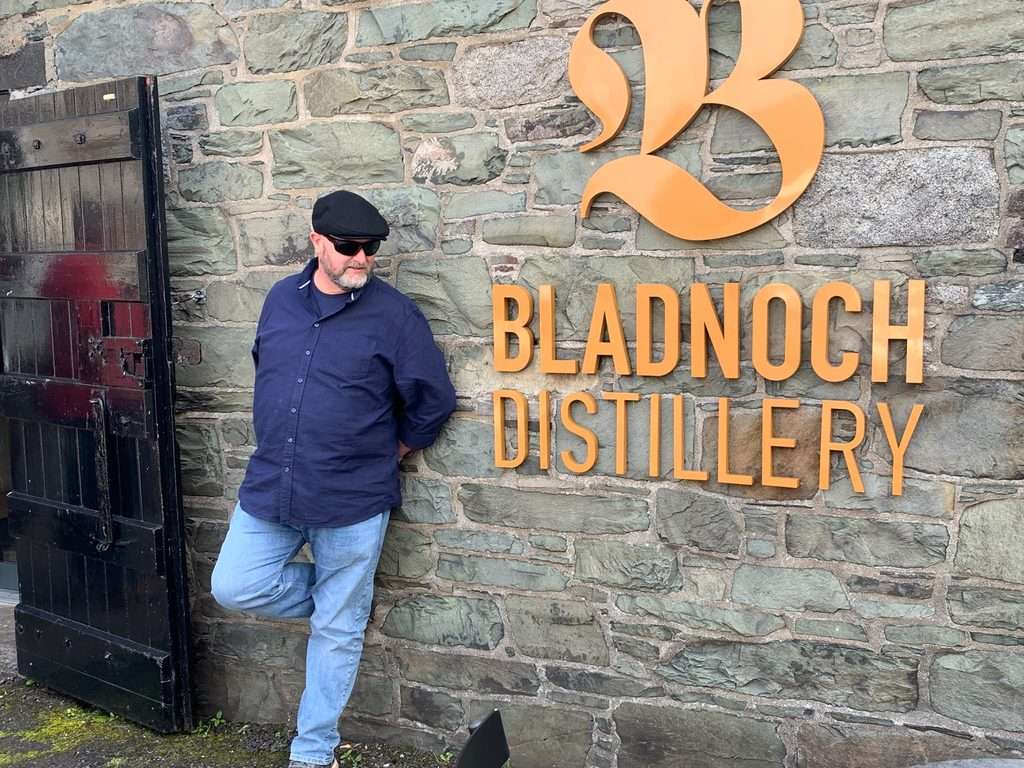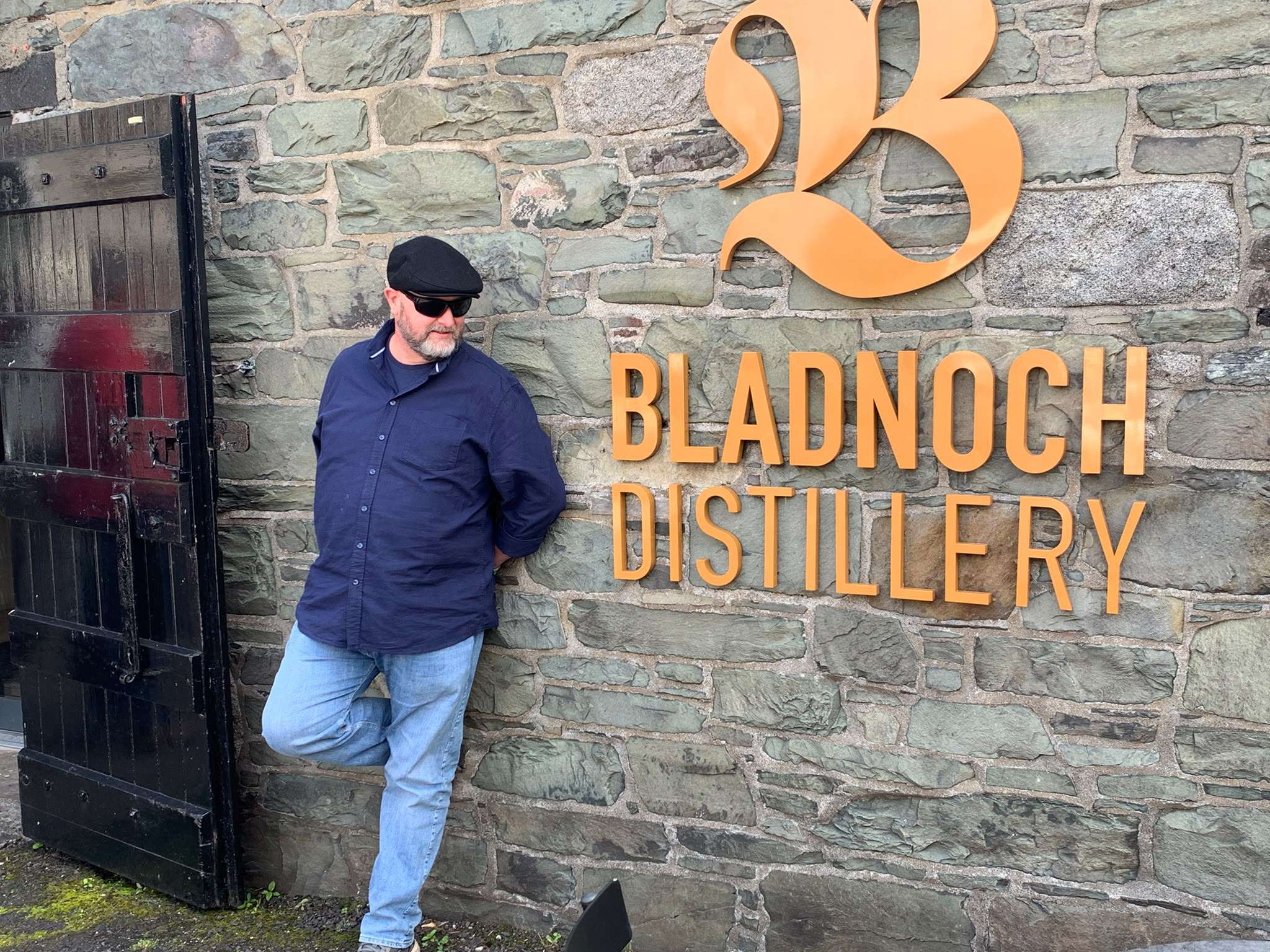
Glen Palmer is an expert on safely investing in whisky casks. He helps people navigate investing and offers a course on cask investment.
Let’s start with the simplest question. When somebody says, “I invested in a whisky cask,” what do they actually own?
When somebody says, “I invested in a whisky cask,” my first response is: “they don’t own anything unless they can prove that the cask sitting in that warehouse is actually theirs.”
That proof of ownership is everything.
If they can prove it, then yes, they own the physical cask and the spirit maturing inside it.
But I think they own something a little more than that too.
They own a piece of distilling magic. Something created by a master distiller who has spent years learning and perfecting their craft. They own a small piece of that distillery’s story — its history, its provenance, its people and its character.
That’s part of what makes whisky cask ownership so fascinating to me.
But none of that matters if you can’t prove you own the bloody thing in the first place.
2. What made you look at a barrel of whisky and see an investment instead of just something we ought to drink?
I think it started on a very ordinary night out with my mates.
They were drinking beer, doing tequila shots — myself included — and I was the only one drinking whisky. I remember standing at the bar with one of my mates and spotting a bottle of ‘Balvenie 21 Year Old PortWood’ high up on the shelf.
I asked for a dram and nearly hit the floor when the barman told me it was about a tenner. This was the late 2000s, so ten quid for a whisky felt like serious money.
And for some reason, probably helped along by the tequila and whisky blending nicely in my stomach, my mind went back to distillery visits with my dad. I remembered seeing row after row of casks sitting there maturing.
I started thinking: “how many bottles actually come out of one of those casks? And if one glass can sell for £10, what the hell is the whole cask worth?”
I think that was when the penny dropped.
Right there at the bar, slightly tipsy, I stopped seeing a cask as just something whisky came out of and started seeing it as an asset.
3. What makes one cask potentially valuable while another cask sitting in the same warehouse may never be particularly valuable at all?
There can be loads of reasons why one cask becomes valuable and another one, sitting a few feet away in the same warehouse, never really does.
It could be the type of wood, the previous fill of that cask – was it in a bourbon barrel, has it been finished in a sherry cask? The reputation of the distillery plays a part, the age, the ABV, the grain used, how it was malted, the distilling method, even small temperature variations and where the cask is sitting in the warehouse.
Then you’ve got the bigger commercial picture: demand for that distillery, how much stock is available, whether collectors actually want it, and what similar casks have sold for.
That’s why I always come back to research.
A cask can be valuable because it’s old, rare, and has some pretty fine whisky maturing in it; however, you have to understand the full story behind it.
Two casks can sit side by side for ten years and end up with completely different values because of all of the above.
That’s what makes whisky cask investing fascinating — but it’s also exactly why you shouldn’t buy one without doing your homework first.
4. If someone walked into this bar with $25,000 and said, “I want to invest in whisky,” what would you tell them before you let them spend a dollar?
The first thing I’d ask them is: what’s your exit strategy? What do you actually want to get out of this investment?
The why matters.
In my opinion, and other people may see it differently, the exit is more important than the purchase itself.
Are you doing this to help pay for your kids’ education? Do you want to bottle it for a wedding? Gift it to your children so they can use the money towards a house? Boost your retirement? Or maybe your ambition is to create your own limited-release whisky brand.
Once you know the reason, you can start working backwards and planning properly.
That might mean selling the cask in bond, selling to an independent bottler, putting it through auction, or bottling it yourself.
Then, before you spend a single dollar, do your due diligence and research.
Research the broker. Research the distillery. Understand exactly what you’re buying, where it’s stored, what documentation proves ownership, what the ongoing costs are, and what realistic exit options actually exist.
Too many people focus on the excitement of buying the cask.
I’d rather know exactly how I’m getting out, and that I actually own the bloody thing, before I put a dollar in.
5. We’ve all seen advertisements suggesting whisky casks can produce extraordinary returns. How much of that is real—and how much isn’t?
Let me start by saying that a lot of it is just plain BS.
Yes, there are very rare cases where a cask has produced extraordinary returns. You hear stories of somebody buying a cask in the 1960s for a few hundred quid and, by some miracle, the whisky gods have been kind, the ABV has stayed above 40%, the whisky has survived 50 or 60 years in the cask, and it eventually sells for millions.
Those stories are real, but they are absolutely not the norm.
If you’re prepared to take that kind of gamble, then potentially the rewards can be huge. But that isn’t how I think people should approach whisky investing.
For a sensible investment, I’d be looking at much more realistic expectations. Depending on the distillery, age, cask type, purchase price, demand and your eventual exit route, something in the region of 6–12% annual growth can be achievable in the right circumstances.
But it’s never guaranteed.
Anyone telling you that whisky casks automatically double in value every few years, or promising extraordinary fixed returns, is exactly the kind of person I’d be very cautious about.
Whisky can be a fantastic investment. It just needs to be treated like an investment, not a lottery ticket.
6. What’s the biggest mistake people make when buying their first cask?
For me, the biggest mistake is not knowing how you’re going to exit before you buy.
I keep coming back to this because it really is that important.
If you don’t understand who might eventually buy your cask, how you’re going to sell it, and what restrictions might exist, you could find yourself in a very difficult position when the time comes to cash out.
Maybe the distillery won’t allow its name to be used. Maybe there’s very little secondary-market demand. Maybe an independent bottler doesn’t want it. Maybe the auction market isn’t there. Or perhaps the costs of bottling it yourself make that route unrealistic.
Suddenly, the cask you thought was worth £50,000 might only have buyers willing to pay £30,000.
That’s why I think people sometimes get whisky investing backwards. They spend all their time asking, “What cask should I buy?”
I think the better question is: “Who is going to buy this from me when I want to get out?”
Work out the exit first. Then work backward to the cask.
7. How do I know that the cask somebody is selling me actually exists, that I really own it, and that I’ll be able to sell or bottle it someday?
Excellent question, and for me it all comes down to verified ownership and having the right documentation.
You need to be able to prove that cask ABC, sitting in warehouse XYZ, is actually yours.
Before you buy, ask the seller exactly where the cask is being stored. Then contact the warehouse yourself and verify that the cask exists and that the details match what you’ve been told.
After the purchase, make sure you receive the correct ownership documentation, such as a delivery order or other recognised transfer paperwork, showing that the cask has been transferred into your name.
And there’s something genuinely special about visiting the warehouse, physically seeing your cask, touching it, smelling it and, if you’re lucky, tasting the whisky that’s maturing inside it.
That’s a brilliant part of ownership.
But I’ll come back to the same point again: none of that means shit if you can’t actually prove the cask is yours.
The romance is great. The paperwork is what protects you.
8. Let’s say I buy the right cask. What actually makes it more valuable over the next five, ten or twenty years—and what could make it worth less?
Another great question. There are a lot of things that can make a cask more valuable over time, but for me it ultimately comes back to supply and demand.
Every cask has its own unique character, almost like a fingerprint. No two are exactly the same, and the whisky inside will mature differently depending on the spirit, the wood, the warehouse conditions and all those wonderful chemical reactions happening over the years.
That uniqueness can make a single cask bottling, especially at cask strength, very desirable.
Then you have scarcity.
Let’s say a well-known boutique distillery with a strong reputation and a loyal following fills 50 casks in 2026. Over the years, some are bottled, some go into blends, some are sold and drunk.
Once that whisky is gone, it’s gone.
Fast-forward 20 years and maybe only a handful of those original casks are left. If the distillery is still highly regarded and demand is still strong, those remaining casks can become very desirable.
But that last bit is the key: demand has to be there.
Age and rarity on their own don’t automatically create value. If nobody wants the whisky, scarcity doesn’t mean much.
And the opposite is true as well. If the distillery’s reputation drops, demand disappears, the ABV falls too low, or the cask quality isn’t there, the value could stagnate or even fall.
At the end of the day, it’s still good old-fashioned supply and demand.
9. Have you ever encountered a cask you thought was such extraordinary whisky that selling it as an investment almost seemed like a shame?
Personally, no — certainly not with any of the casks I’ve owned so far.
Don’t get me wrong, I’ve had samples from my casks and some of them are pretty damn nice, but it’s still early days. I also haven’t yet experimented with the kind of cask finishing I’d like to try, so maybe one day I’ll end up with something I really struggle to part with.
That said, I have tasted some exceptional whisky over the years where I’ve genuinely thought, “Soon there isn’t going to be any more of this deliciousness left in the world.”
And that is a bit of a shame.
But that’s also part of what makes whisky special. Bottles and casks are finite. Once they’re gone, they’re gone.
So I suppose the way I look at it is: I was lucky enough to taste it while it was still here.
10. Last call. You’ve spent your career putting a price on whisky. Tonight we’re drinking it instead. What are you ordering?
What an awesome question to end on.
And this answer might surprise you, because I’m certainly not reaching for something from the top shelf.
If I could order anything, I’d go for Teeling Stout Cask.
And here’s the kicker — I don’t even particularly like stout beer. But I bloody love Teeling Stout Cask. There’s just something about it that works for me.
If that wasn’t available, I’d probably go for the Siderit PX Finish. That’s another one I’ve really enjoyed.
I think that probably sums up whisky quite nicely, actually. Price, age and prestige are all interesting, but at the end of the day, the best whisky is the one you genuinely enjoy drinking.
So tonight, forget the investment spreadsheet.
Pour me a Teeling Stout Cask and let’s drink the bloody stuff.
You can find Glen’s whisky podcasts here.