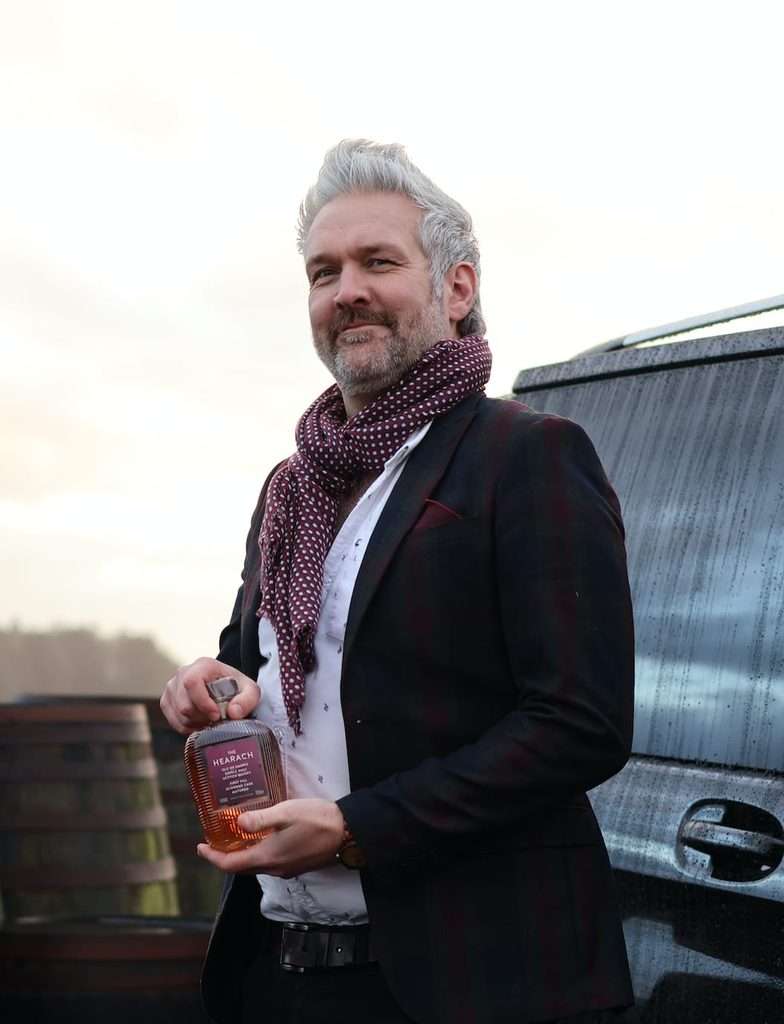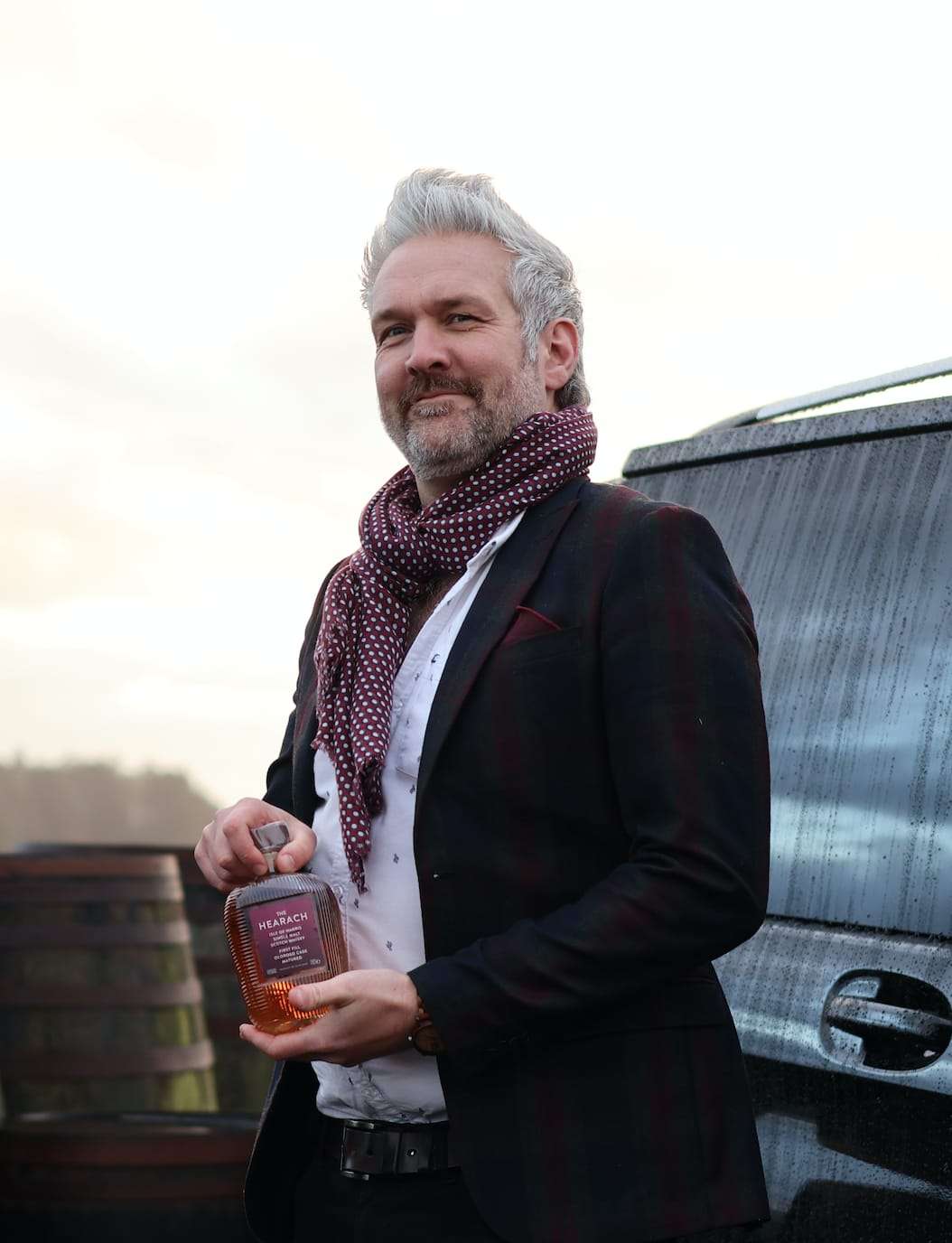
Fraser Campbell is a Whisky Expert / Educator and an all-around interesting guy. He has some great things to say about Scotch whisky.
Do you remember the whisky that turned drinking whisky into wanting to understand whisky?
For me, it was probably Dewar’s in 2016, after I had just landed the role as Global Ambassador and had to up my whisky knowledge, as I was about to travel to 40 different countries to educate bartenders, media, and consumers about the brand!
When someone tells you, “I don’t know anything about whisky,” where do you start?
When I’m hosting whisky tastings, I always just ask guests what their experience is of whisky, if they’ve tried it, and what else they like to drink. Once you find out what their experience and what flavours they enjoy, is it’s easier to find a starting point to share some stories or knowledge. I picked that up from being a bartender and asking people what they liked when they were coming to order a cocktail haha.
What’s something people are taught about whisky that you think we should probably stop teaching them?
I don’t think it’s taught on purpose, but the main one would be that you can’t mix single malts with anything else. It’s just the absurd residual mindset of purist whisky marketing from the 60’s and 70s.
What is the most unique aspect of Scotch whisky?
I think that it’s impossible to replicate elsewhere; the Japanese have arguably done the best job of it, though haha. But you can’t take the layout of one distillery and build it the same way a mile down the road and expect the same distillery character; there’s something unique in the distillery microclimate, yeasts from the old rafters, the particular shape of the stills- all of it is impossible to duplicate.
Can someone actually be taught to have a better palate, or are some people simply born with one?
You can train all of your senses without a doubt; some people are just born with an amazing sense of smell and olfactory memory, the same way some people are born with a great singing voice. Getting to know whisky takes practice, but you can create different languages for what you’re experiencing, which could be using colours instead of flavours.
What’s a whisky you’ve poured for someone that completely changed what they thought they liked?
Recently I did a tasting where a woman said she hated whisky, so I asked her what she last tried and when, and she said it was a Macallan when she was a late teenager with her dad and brother haha. So she’d spent over three decades not trying another whisky, purely based on the first encounter. So I poured her an 8-year-old Dewar’s finished in Rum casks, and she asked me where she could buy a bottle.
Do tasting notes help people discover what’s in the glass—or sometimes tell them what they’re supposed to taste?
I never really use specific tasting notes when doing tastings, but I do talk about the flavour compounds created from peated barley, fermentation, distillation and maturation. Esters, tannins, vanillin, lactones, and smoke are easier to explain to people because you can draw parallels between what they’ve tried or know already, like ripe orchard fruits, perfumes, red wine, coconuts, and BBQ or campfires.
What’s something you’ve changed your mind about after years of studying and tasting whisky?
There’s a lot of fixed stats that get thrown around for decades like “single malt gets 70% of it’s flavour from the cask” and you spend as much time unlearning the myths you’ve heard or been taught as you do learning new facts and stories. Sherry casks are another one; there’s no such thing as an “Ex-sherry cask,” as in, this cask was used for sherry for XX years, then we put whisky in it. All the bodgeas in Jerez and Sanlucar de Barrimida are fixed in Solera system crianzas, they ain’t moving. The 500L sherry butts we used to use in Scotland were for transportation, and all the subsequent casks have just been seasoned on purpose for the Scotch whisky industry.
If you could teach someone only one thing about enjoying whisky—and then they never read another whisky book or attended another tasting—what would you teach them?
Just that their impression or experience of the whisky isn’t wrong and to stop over analysing it. It’s a drink, not a science experiment. Just drink it.
Last call. No teaching, no tasting notes, no scoring, no analyzing. What are you drinking?
Craigellachie 19 years old, one of the best drams of all time.