Can you taste a city?
Adelaide is a beautiful town. Very livable. It was originally founded in 1836 on a grid that is now tree-lined streets, shops, restaurants, and covered sidewalks. You can live on a tree-lined street with beautiful homes of every kind of design and walk one way or another to an avenue with restaurants and shops, and be a bicycle ride away from a park.
There are parks everywhere.
The city was designed to have big parklands ringing the central city. Get on the road up into the hills, and there are small, rural towns full of trees and small shops and cafes that invite strolling.
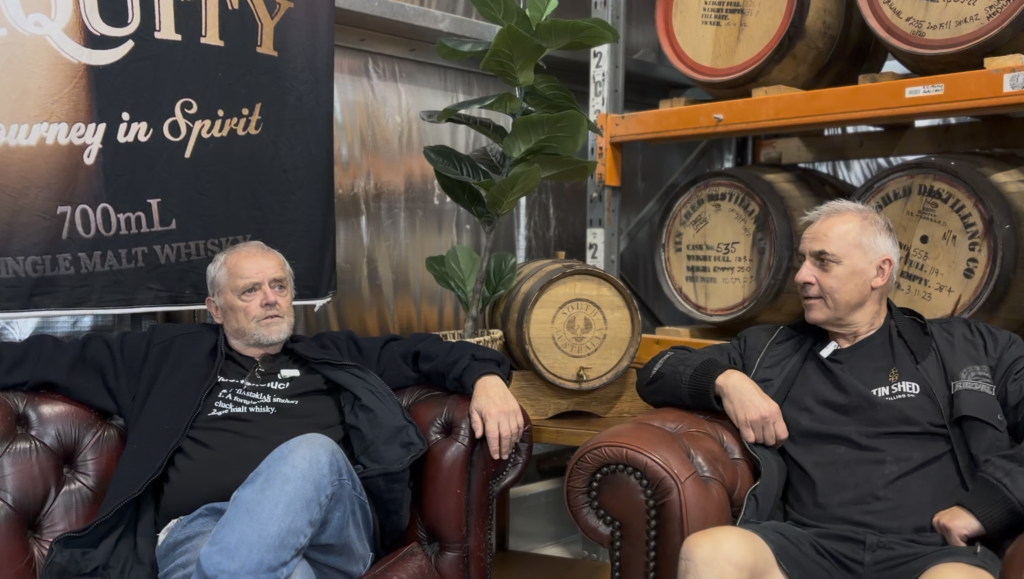
Ian Schmidt grew up in Adelaide, joined the Navy, saw the world, made flagpoles, and came back to Adelaide to live and make whisky.
And yes, you read that right. Flagpoles.
After the Navy, he ended up at a company that made marine equipment and eventually partnered with a friend making sails and masts. Then one day, a guy came in and asked for a flagpole.
A flagpole is pretty similar to a mast, so he ended up making one for him and ended up making a lot of flagpoles and making a real business out of it.
Maybe you’ve never wondered where flagpoles come from, but now you know. People like Ian make them and send them all over the world. What city doesn’t have flagpoles? Useful things, those flagpoles. It’d be mighty hard to show one’s patriotism without a good flagpole holding up one’s flag.
So he helped people salute and hold their hands over their hearts while they recited pledges and sang familiar songs.
But eventually, the idea of making great whisky became too great a draw.
If you’ve read much of The Still Life Stories, you’ve seen the story before.
A whisky maker did something else for years, but it was never quite right, then some epiphany or grand event kicked the world into a new dimension, and that old life goes away, and they make whisky.
And it happened to Ian Schmidt and his partner, Vic Orlow, and he stopped making flagpoles and started making whisky.
I asked Ian why. “It was just more interesting. If I make you a flagpole, it’ll last a lifetime, and I’ll never see you again. If I make a great whisky, you’ll be back for more…”
These days Tin Shed Distilling is hardly a tin shed. It’s a grand metal-clad building in the Adelaide Hills with a great restaurant, a very cool bar, outdoor dining, live music, and stuff for kids to do, and a big distillery and bond store full of oak casks of sleeping whisky.
He makes a lot of whisky, but also vodka, gin, rum, and many finishes and styles of whisky that get served neat or mixed into cocktails in the bar.
It’s a pretty nice operation.
Well designed, well managed and well organized and functional as a solid flagpole.
Ian is a funny guy. Very dry sense of humor, but also very focused, with a keen eye for detail.
The design of the place has a lot of little details that you have to really pay attention to. He walked me through the operational functions of the distillery itself and it was very well organized and laid out. Every safety feature was built in because, let’s face it. Distilling is basically heating up a flammable liquid until it evaporates. If you’re not careful, boom.
Not at Tin Shed. I can assume the Health and Safety people who are charged with inspecting distilleries are always impressed and put happy faces on Tin Shed reports during every visit.
That pays off on the spirits as well.
Paying attention to the details makes for better everything.
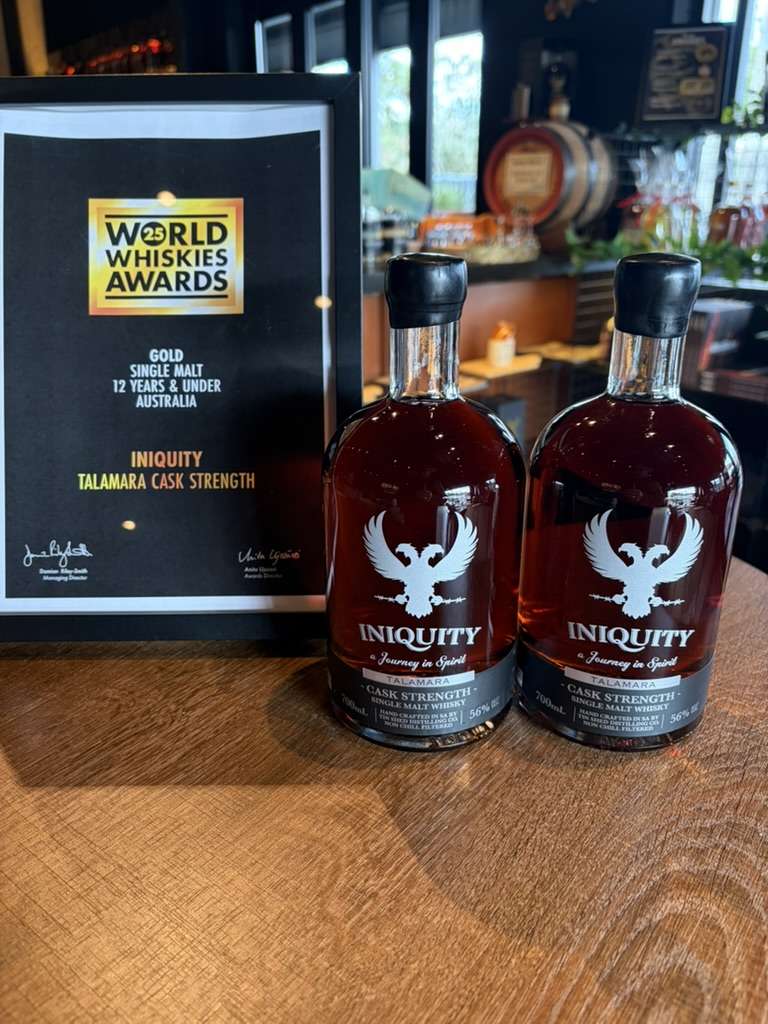
Tin Shed’s Iniquity Whisky is sublime. I’ve tried many of their releases and enjoyed them all.
I’m in the restaurant now on a Wednesday morning, having done a walkthrough of the whole operation with Ian this morning, and I’m sitting under a wall of 40 award plaques from all those organizations that pay attention to whisky, gin, and rum.
Gold awards, silvers, and some bronzes from World Whiskies Awards to local Australian awards.
They make good juice, and that wall of kudos gives visible proof.
From the scents wafting out of the kitchen, I’ll figure they make good food, too.
It’s not lunch time yet, but I’m looking forward to it.
You can come to Tin Shed and have lunch or dinner with a cocktail and have a wonderful time. The main restaurant/bar is comfy and pleasant. There is a big patio with views of the surrounding woods and sunny breezes. Or you can add in a tour and end up in the aging bond store where all the casks of whisky are sleeping, and Ian will draw a taste for you directly from the casks with a long, copper straw known as a whisky thief, and you can sit royally in a comfy leather chair and sip your whisky surrounded by thousands of liters of whiskies sleeping away. It’s a pretty wonderful place.
Ian is well known in the Australian whisky-making world.
It seems everyone I’ve met in the business here knows “Schmitty,” and they all have good things to say.
It all seems to fit the place. Adelaide is well thought out and likable. Ian’s whisky fits the vibe. It’s got great flavor and is very pleasant. There are some whiskies that are quite a challenge, that you’ll either really like or hate. Iniquity isn’t one of those. Pour a glass and take in the scent, and it’s kind to your senses. The taste is warm and welcoming. Just like Adelaide. You’ll like the drink and the place. It’s an interesting take on terroir. Are “pleasant” and “nice” part of common terroir language?
It should be.
If you can’t make it to Adelaide and the beautiful hills, you can pour a glass of Tin Shed’s various gifts and taste the pleasure of a beautiful place full of welcoming people.
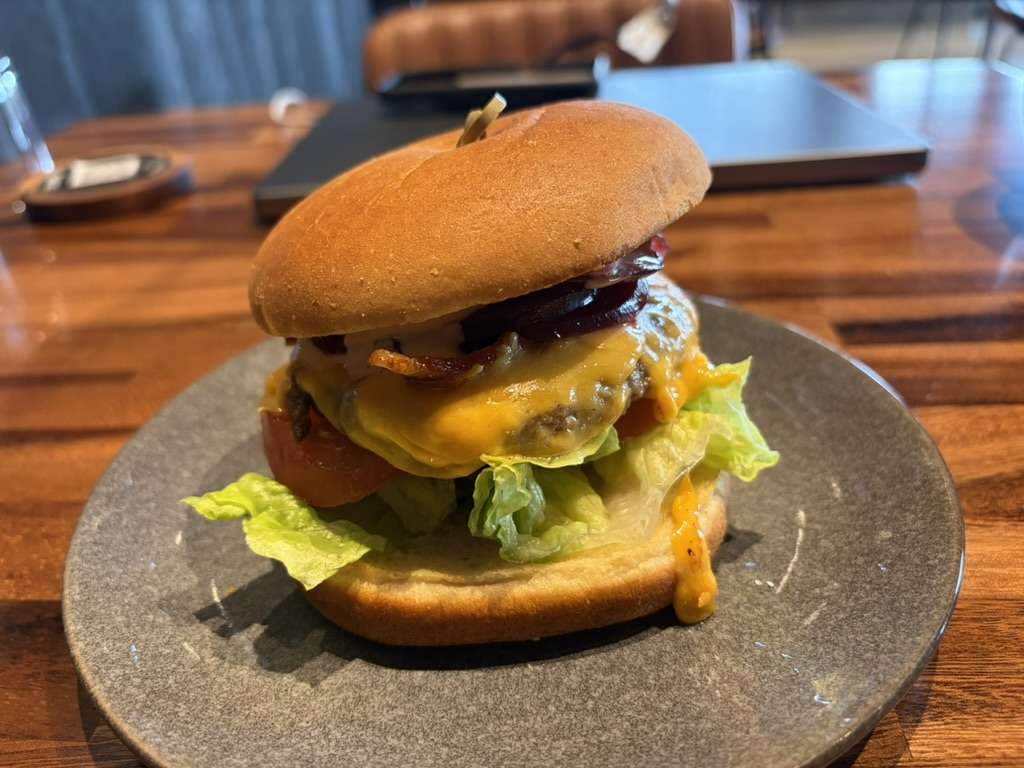
As an American, having a big slab of pickled beet on a burger is a shock at first, but it works. Very tasty.
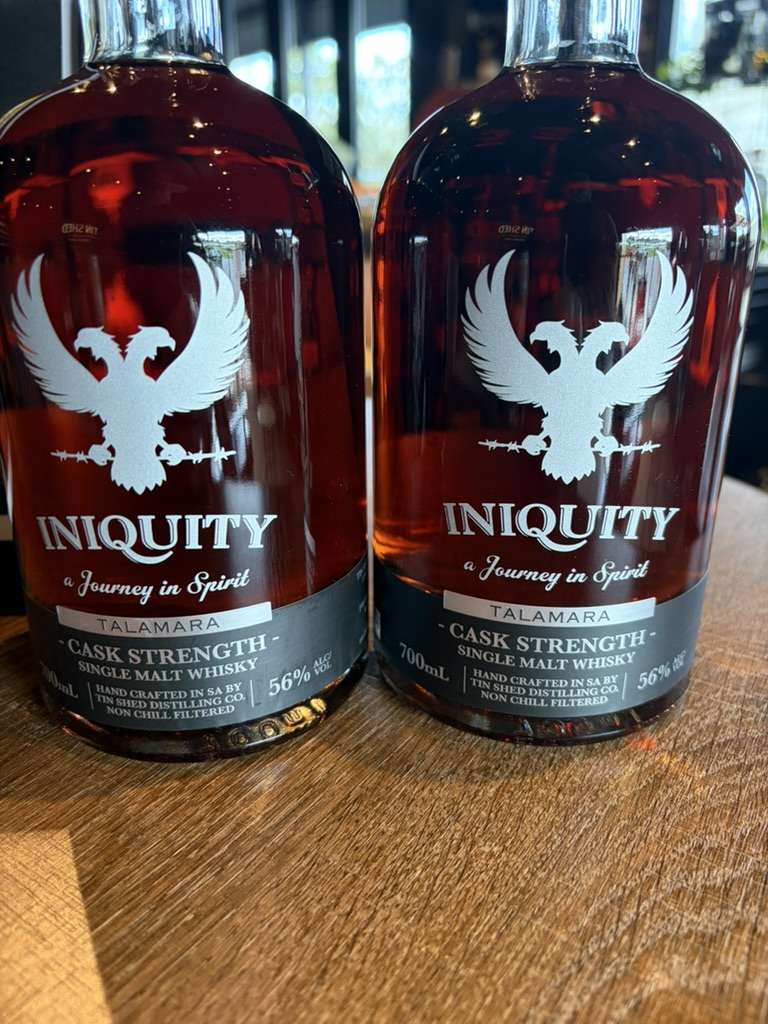
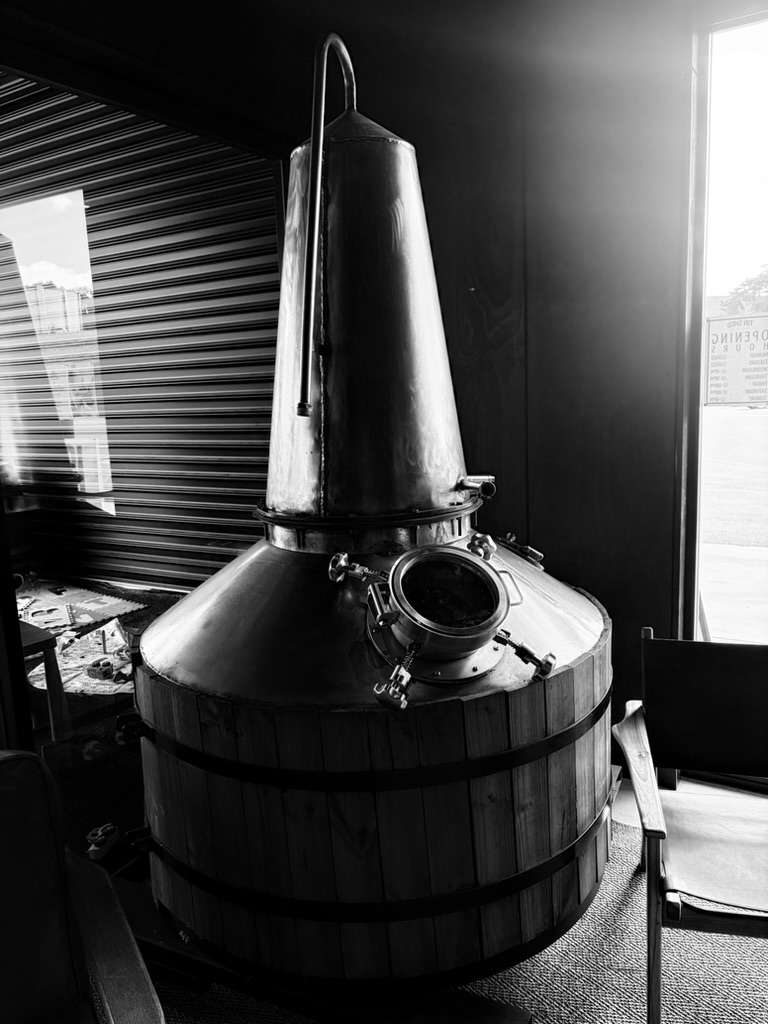
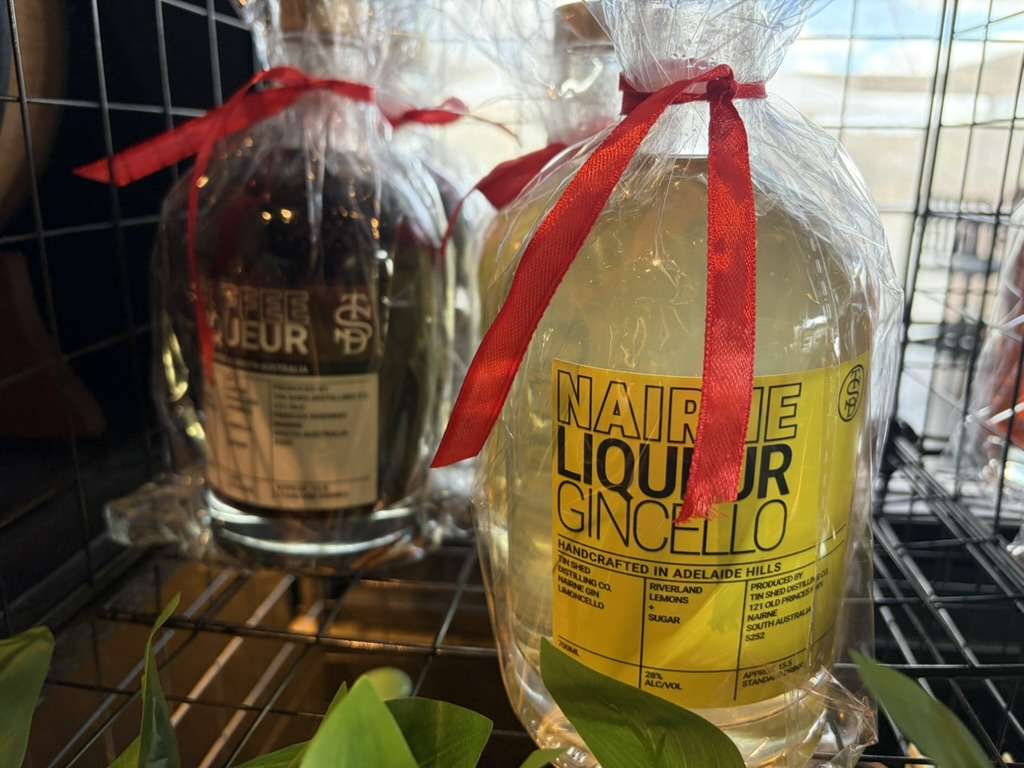
They make a lot of cool stuff here.
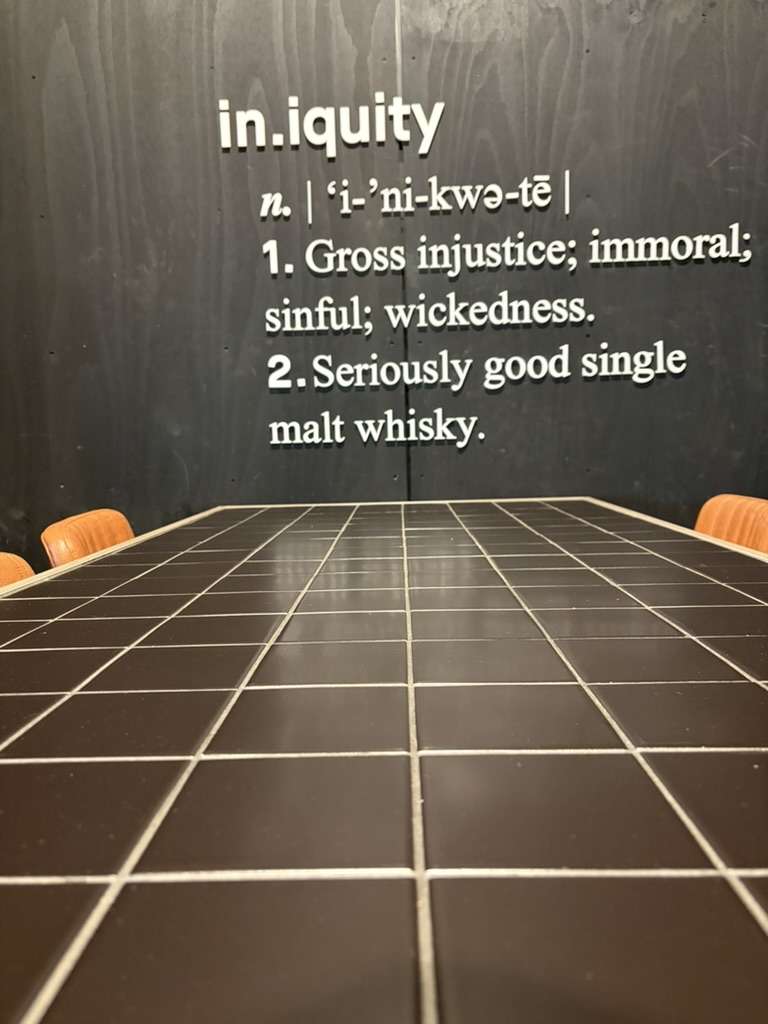
Get some for your den.
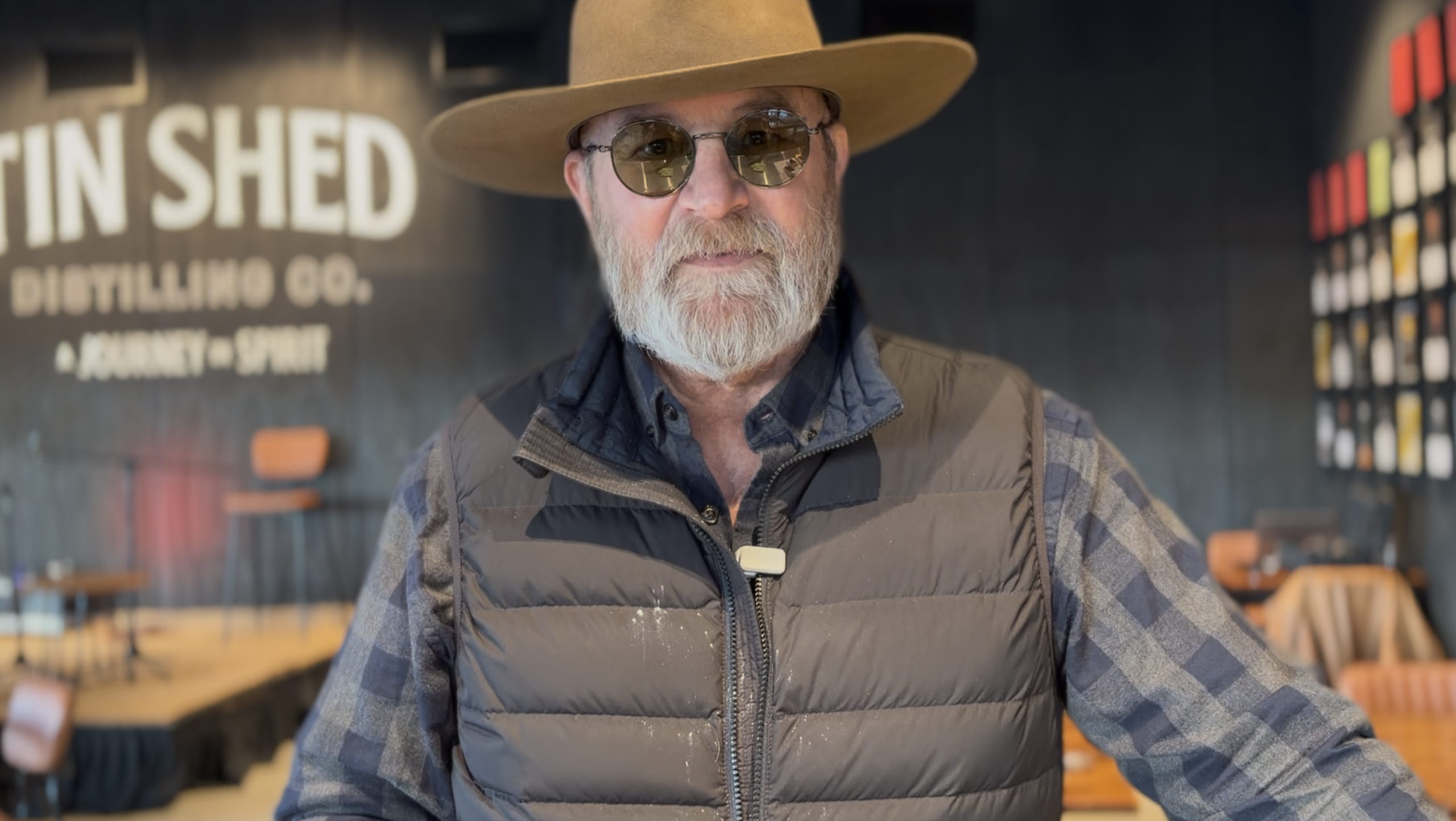
I got used to wearing my Tassie Tux in the warmer climes of Adelaide.