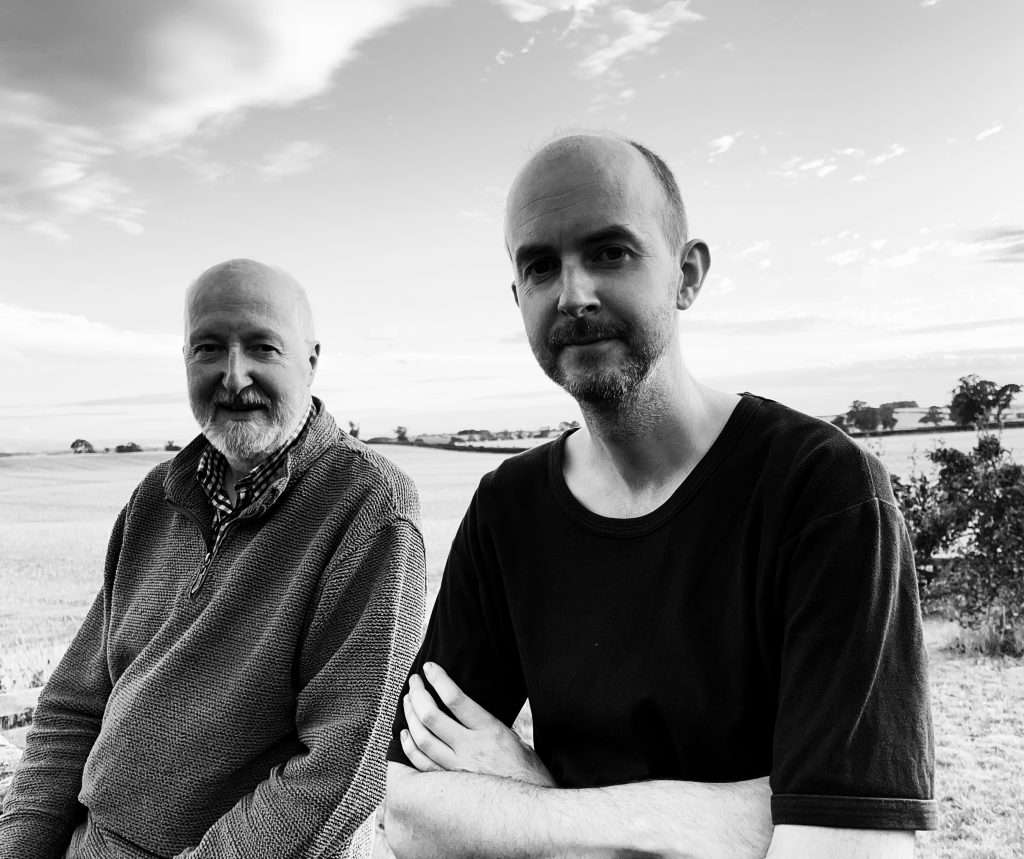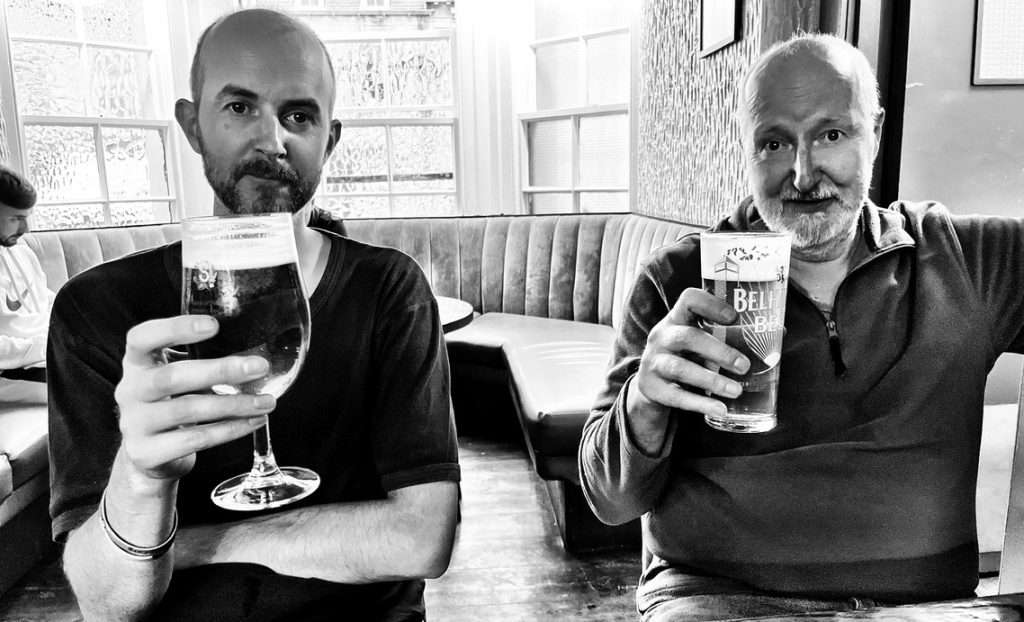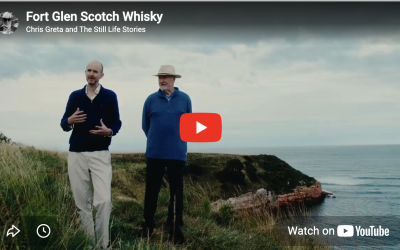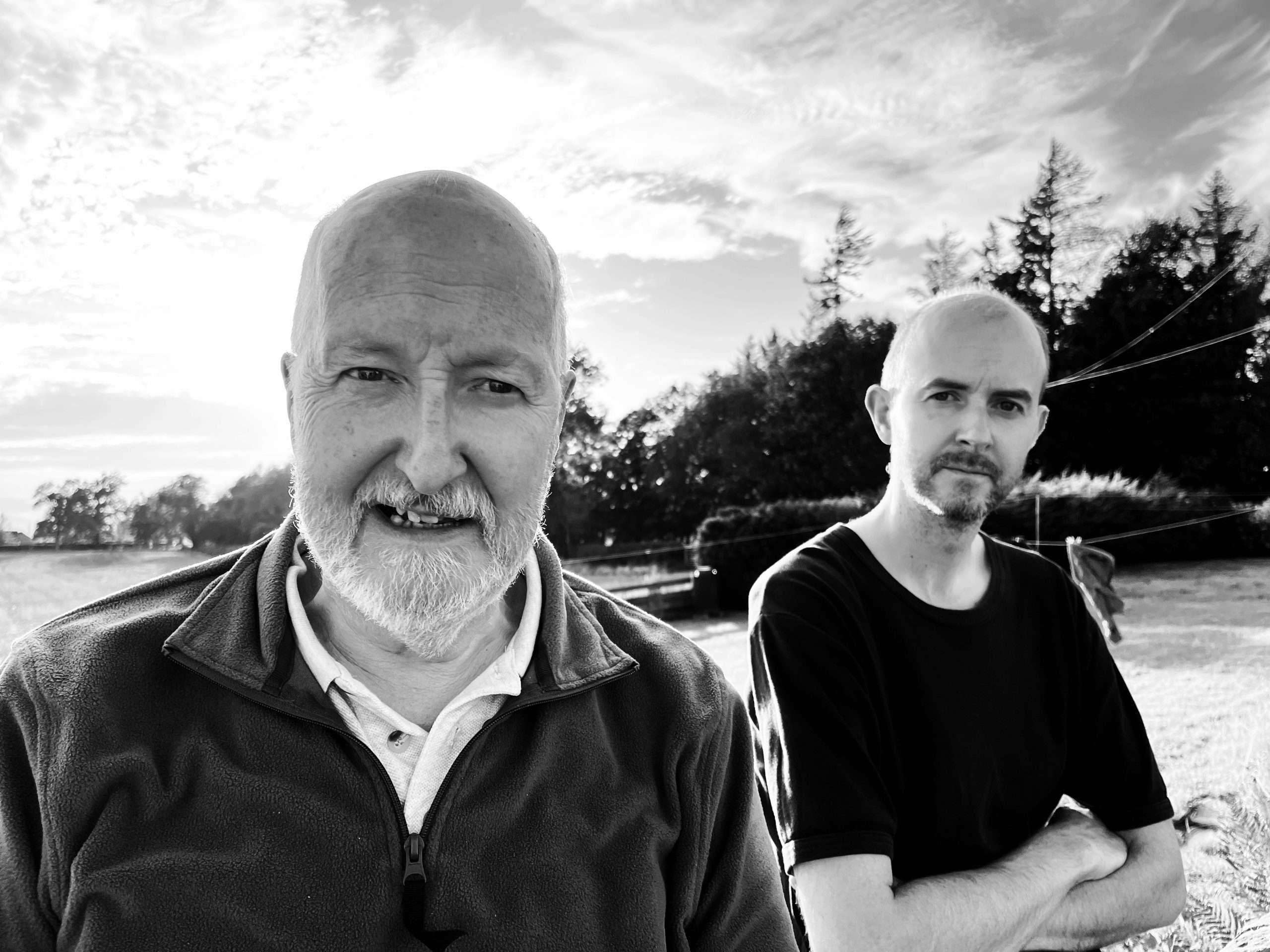
Peter and Matt Bowyer are father and son, as in Peter the father and Matt the son.
Their last name literally means “maker of bows” and not the party kind. Probably the longbows that were the most feared weapon in the kingdom for many, many years.
So, they come from a long line of guys who make stuff.
Really good stuff.
And thankfully for us whisky lovers, they make whisky.
And there is an interesting distinction in the whisky making world.
Distillers and Blenders.
Peter and Matt are the latter.
Let’s talk about the two distinctions for a moment.
Distillers, we probably all get. They have giant copper stills and miles of pipes and stuff that boils and evaporates and cools and could very well blow a whole city block to hell.
Blenders buy casks of finished whisky from those guys and cook with it.
It’s a little like the guy who grows the vegetables and meat and sells it all to the chef.
And the chef.
Peter and Matt are the chefs.
They travel around Scotland (and occasionally outside Scotland) and taste the whisky to see if it’s good enough to become a Fort Glen blended whisky.
In the case of Scotch whisky, it has to meet all the criteria that the Scotch whisky people deem important enough to make it a law.
To be Scotch, it has to be fully made in Scotland, has to be aged in oak in Scotland and it can’t leave Scotland in the oak cask, and it has to be in that oak for at least three years and a day.
No messing around here. The law is strict and simple.
And there are a LOT of distilleries in Scotland making Scotch whisky and a lot of them make more than they can bottle, so if it’s good enough, it may escape bottling to travel to Fort Glen to be turned into something extraordinary.
That’s when Peter and Matt work their magic.
They may buy 60 casks at a time, or more and once it reaches the warehouse, or The Keep as we called it because that sounds cooler, then the cooking begins.
They’ve created a process that is so much damned work that the vast majority of whisky makers don’t want to bother and would never admit it.
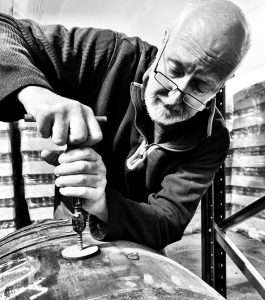
They taste each cask and confer on what it needs.
Move it into a bigger sherry cask. Let more air evaporate more liquid. Two more years, then a different sherry cask. Maybe it needs five more years. Maybe it’s perfect and get the bottles. Maybe give it more air…
Somehow, they can taste it now and somehow magically taste it two years from now and know what it needs.
It’s magic and voodoo and alchemy and fortune telling.
And it works. I’ve tasted many of their blends at full cask strength and it’s changed the way I view Scotch whisky.
Most people think Scotch means burnt tires. They think of a heavily roasted peat and that smokey overwhelming flavor takes over… but not all the world is smoked like a summer fish.
When you taste some of their blends, you’ll know what I mean.
And the very word… Blend.
Have you ever noticed how a croissant will taste great and a cup of coffee will taste great but combined, you get a third flavor that’s better than either.
They do that with whisky.
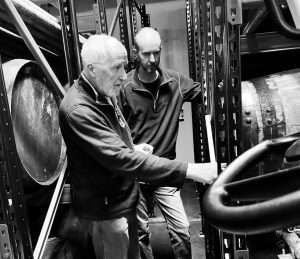
I’d spent a lot of time in The Keep with them and they taste a cask and discuss what it needs, then the forklift comes out and a big barrel of whisky gets moved to the top rack and siphoned and moved into a lower cast, maybe an ancient cask that once held a Spanish port that’ll give a little port sweetness to the finish. Two more years here. Write it down. Track it. Let the maturing continue.
Maybe only fill it 80% so it gets more air.
The Angel’s Share is a percent or two per year and at their hands, we had to rename it The Archangel Share because they know giving more of the whisky to the heavens means a better tasting whisky.
—-
Peter is the perfect English Gentleman. Kind, thoughtful, always the first to open the door and the last to enter.
But there is another side.
He races vintage cars, mainly his beloved MG. He thrashes that ancient beast through the towns and villages of Europe as well as some of the worlds most renowned racetracks.
Spa in Belgum is his favorite.
When you meet him and get to know him, you’d never guess he’d suit up in a fire suit and thrash the living spit out of a little race car full of snarl and venom.
It’s quite a quandary.
Someone to whom a hundredth of a second can mean the world, but who also creates something that takes years to finish.
And Matt.
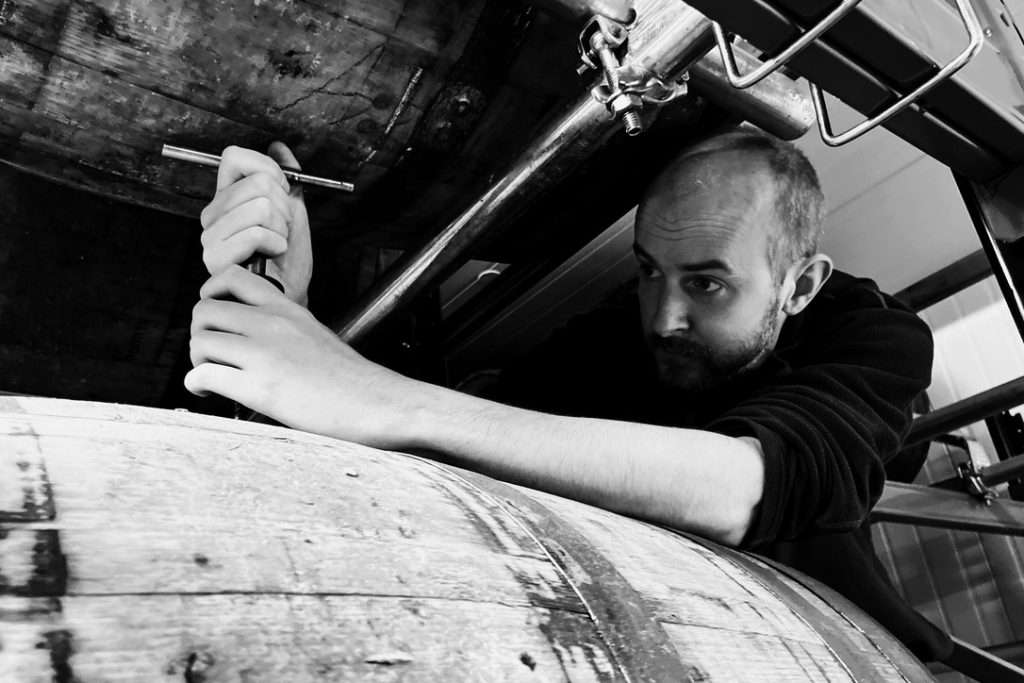
He created a facility down to the millimeter that can allow them to be active participants in the aging process. And it’s really not so much aging, as it is maturing.
Matt seems to know a lot about everything with a razor sharp wit and quick mind.
He designed the whole place. He ordered the forklift with forks at exactly the right length to get to any part of the warehouse to put any size cask anywhere. To take something from the bottom rack when it’s ready to move its contents to another on the bottom rack. Everything is accounted for and he’s able to move the whisky wherever it needs to be to be it’s best self.
There is even a little drawing at the front of each rack that shows what place on a clock that the bung needs to be to roll to a certain position on the rack and keep the bung at the top.
How the hell did he figure that out.
Most aging warehouses just stack the casks on the bottom and build them to the heavens and go do something else for a few years because it’s a hassle to actively tend to their maturation.
It’s the difference, I suppose, to raising your children until they’re ready to go off to college or to birth them and ship them off to Camp Later Days until they come back married with kids.
Maturing whisky is a lot of hard work, but if that’s your path in life, build a machine to do make active maturation efficient and Matt has built that machine.
It’s not pretty. As in, when you go to the warehouse, I mean The Keep, you realize this isn’t set up for tourists.
It’s Bauhause.
Form Follows Function.
That’s Matt. Pretty be damned, does it work.
And it works. Someday, if you’re lucky or persistent, you’ll taste the work that Peter and Matt have devoted so many years to perfecting.
Fort Glen Whisky isn’t some big, corporate entity owned by another corporate entity. It’s two guys. Peter and Matt.
And I’ll resist the urge to say something like “the father, the son and the wholly great spirit.”
Mature of me eh?
What is the difference between whisky distillers and blenders?
Distillers operate copper stills to create spirit from grain. Blenders like Fort Glen purchase finished casks and combine whiskies to create unique flavor profiles.
Where is Fort Glen Whisky located?
Fort Glen operates from Duns in the Scottish Borders, Scotland.
What makes Fort Glen’s approach unique?
Peter and Matt Bowyer actively manage each cask’s maturation, moving whisky between different cask types based on taste evaluation.