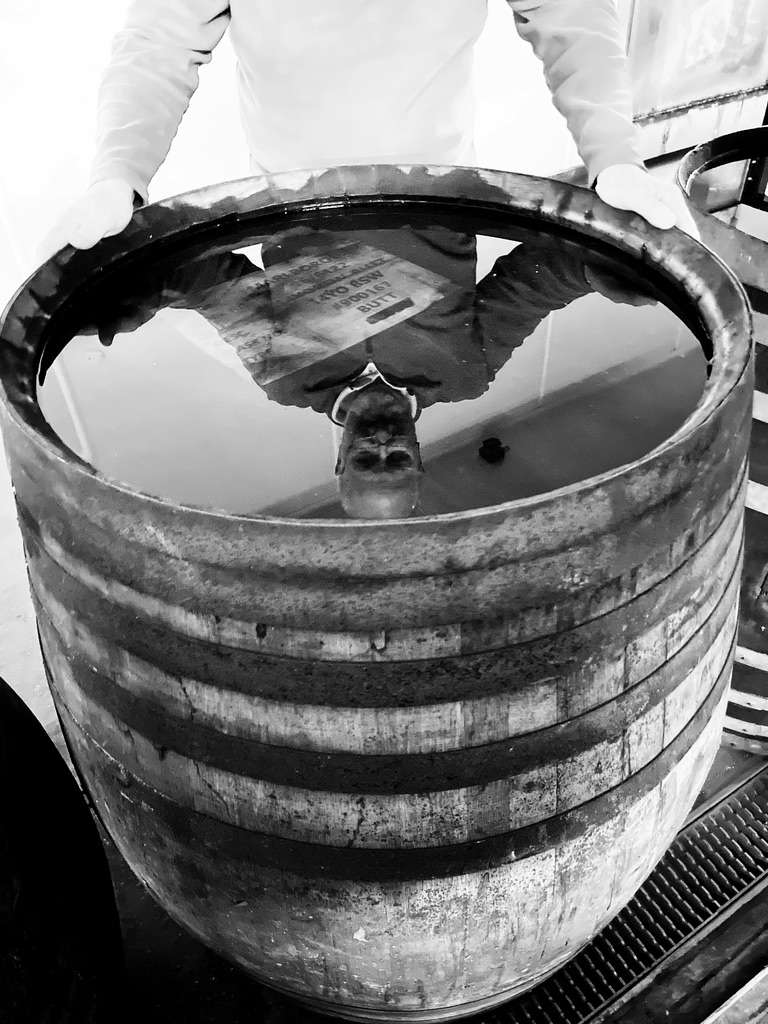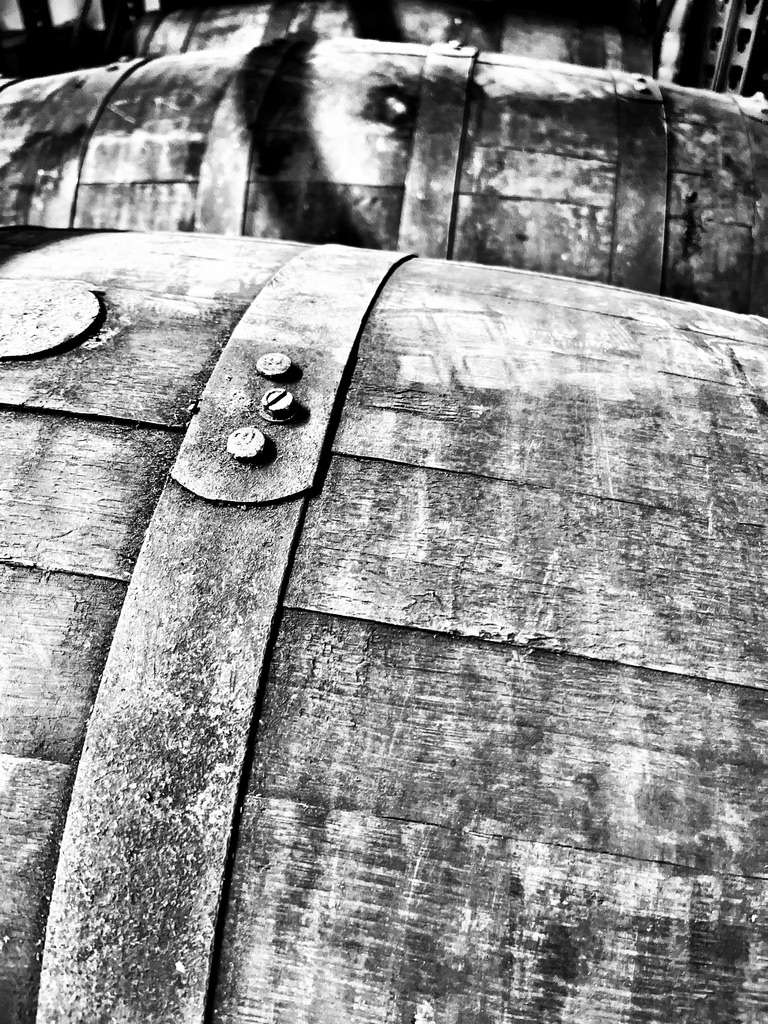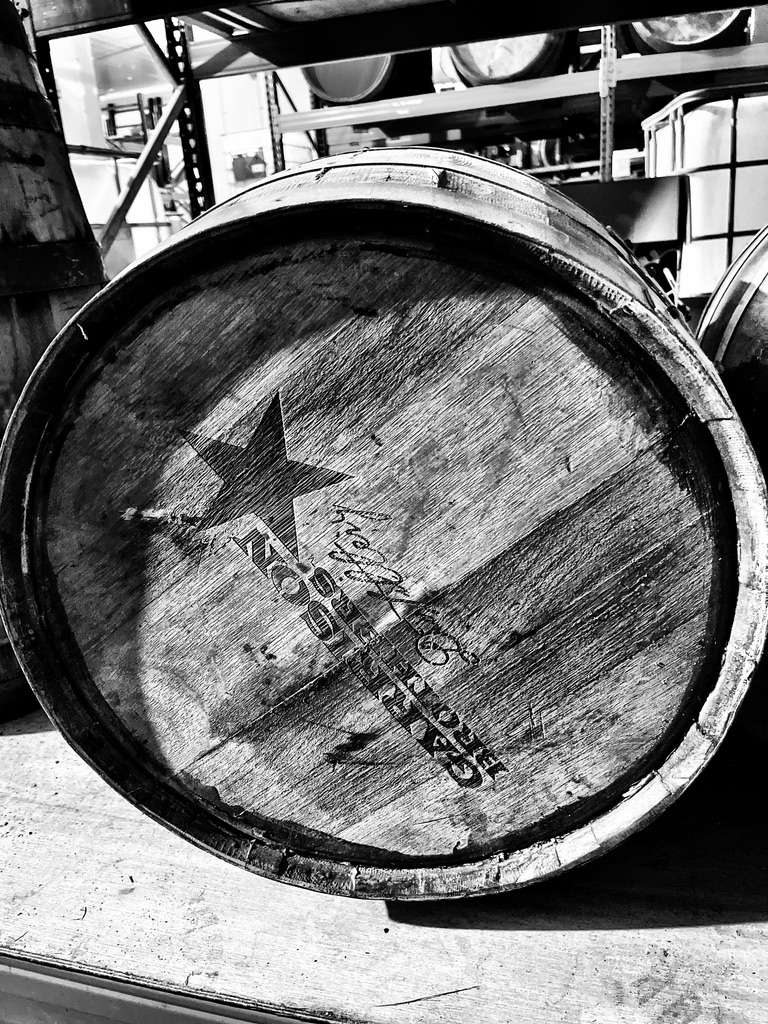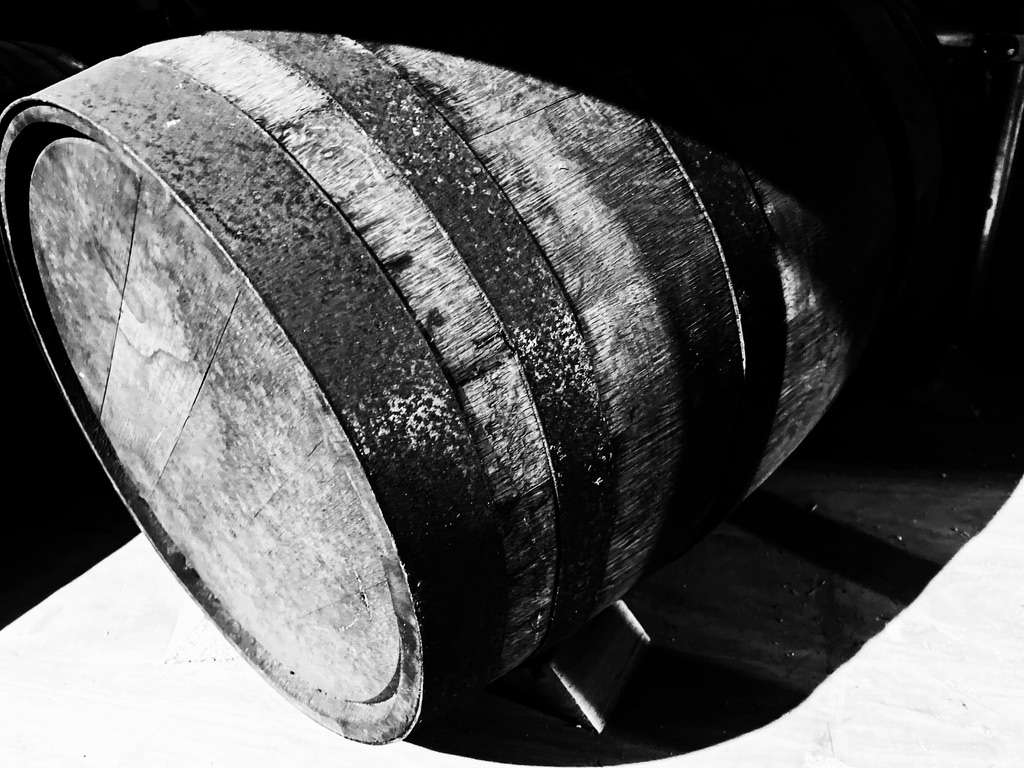
It might have been an accident, actually.
Storing whisky in barrels was easier and less fragile than in glass and probably a lot cheaper. After all, there was plenty of wood around and skilled carvers, but not a lot of glass.
So it made sense to store your whisky in an oak barrel to move it around or to just store it.
Then they discovered something. A happy accident.
When it sat in a barrel for some time, it tasted better.
Then someone, somewhere, decided to burn the inside of the barrel, and it tasted even better.
This started hundreds of years ago, and in that time, we’ve built engines and cars and planes and phones and x-rays and television and gone to the damned moon.
And we’re still storing whisky in oak casks.
How wonderful is that?
What other technology has remained nearly unchanged for hundreds of years?
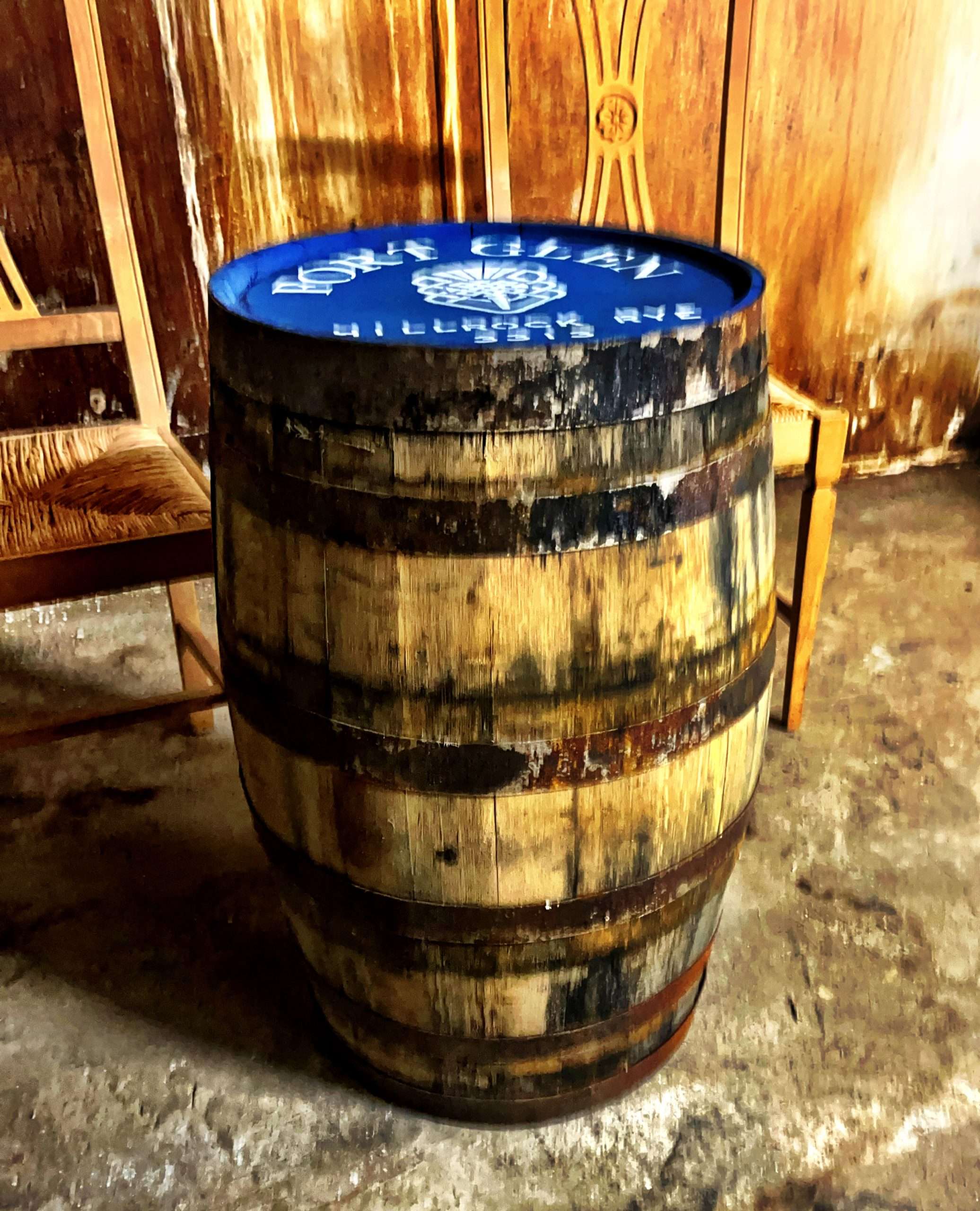
Cooperages are still making barrels out of American and French oak. They’re still burning the inside. When a cask is a hundred years old, they can take it apart, replace some leaking staves, and put it back together, refinish and rechar the inside, and reunite the oak with the whisky.
So many of us spend our lives steeped in the latest technology and never encounter something that’s been the same for that long. It’s a bit mind-boggling to find a whole industry that depends on something as antiquated as oak barrels.
Sure, you can throw some burnt oak into a bottle of vodka, and it’ll change colors eventually and pick up a little charred oak taste, but the barrel really becomes a part of the whisky. It’s a bit porous and will absorb the whisky, evaporating out some harsh tastes.
New vs. old.
Matt Bowyer, half of Fort Glen Whisky knows his oak.
“Bourbon and American whiskey must be aged in new oak barrels by law (it can also spend time in other barrels, so long as some time is spent in a new oak one) and ages quickly – partly from the new barrels, and partly from the extremes of temperature that draw the whiskey in and out of the wood.
Scotch whiskies age more slowly in more stable conditions, meaning that a used barrel is ideal. That creates a natural, logical market flow where barrels are made in the USA, used once for Bourbon and whiskey, and then shipped to Scotland to be reused for Scotch. They are also sometimes re-coopered to make a barrel popular for Scotch Whisky called a hogshead; which will be around 250 liters (64 US Gal) and uses the staves of old American barrels matched with new heads; these heads might be the same type of American white oak as the barrels or can also be other, more esoteric oaks such as European oak or Mizuhara oak.”
When you spend time in Kentucky and Scotland, you can understand the various methods of ageing. Kentucky can be hot as bloody hell, which expands the whiskey (and in the USA, it’s whiskey with an “e”) in and out of the charred oak. It matures quickly, filtering in and out of the oak.
And ageing really can be translated to maturing.
In the freshly charred new oak and the heat, the bourbon gets quite a workout fairly quickly.
In the USA, there is even a quality standard called Bottled in Bond. This was made law in the USA in 1897 to help stem the flow of terrible whiskey. Basically, it means the whiskey has to come from one distillery in one barrel in one season and has to be 100 proof. It’s locked in a government warehouse for four years.
It worked and it’s still used today.
So while the aging of American Bourbon can be rather fast and furious, the aging of Scotch Whisky (no “e”) is a bit more graceful.
The weather in Scotland is a bit cooler so the used oak barrels tend to slowly mellow the whisky. In fact, the aging warehouses for Scotch whisky, by law, cannot be temperature-controlled.
Peter Bowyer, the other half of Fort Glen, added, “That’s why you might find 20 or 30-year-old Scotch whiskies and rarely see a bourbon aged that long.
Scotland has stringent rules for Scotch whisky. It has to be distilled in Scotland. It has to be aged in oak barrels, and it has to be in the oak for at least three years. It can be new oak, a used sherry cask, Bourbon cask, port or even wine. So long as it’s oak.
The older barrels let the whisky mature slowly.”
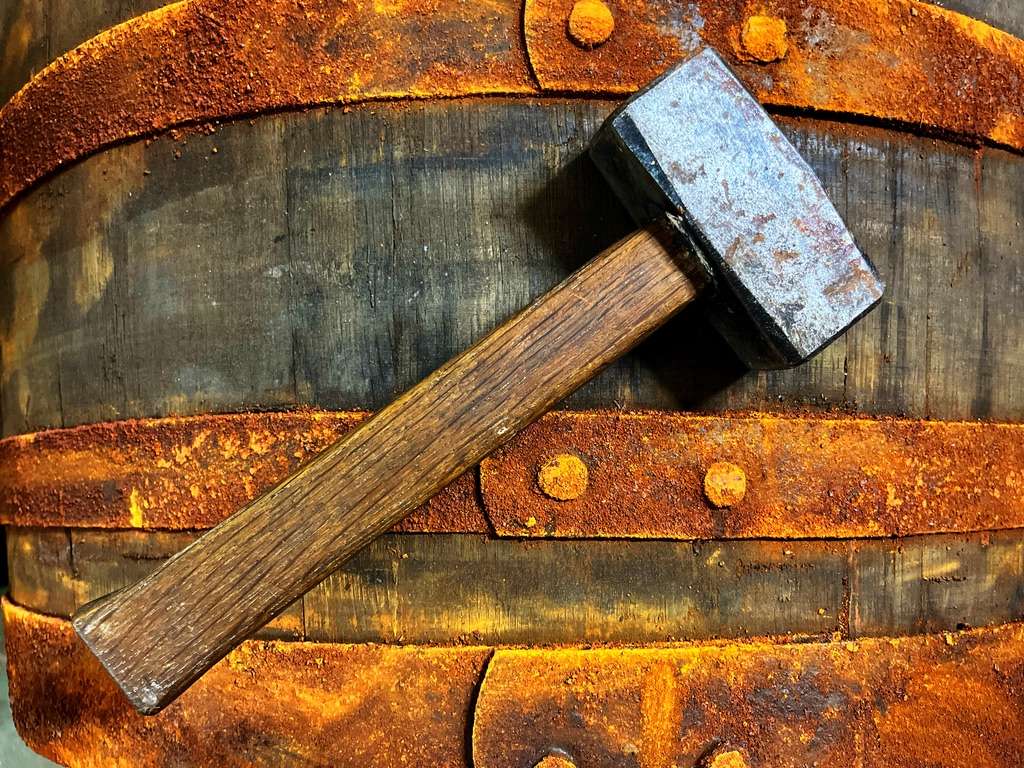
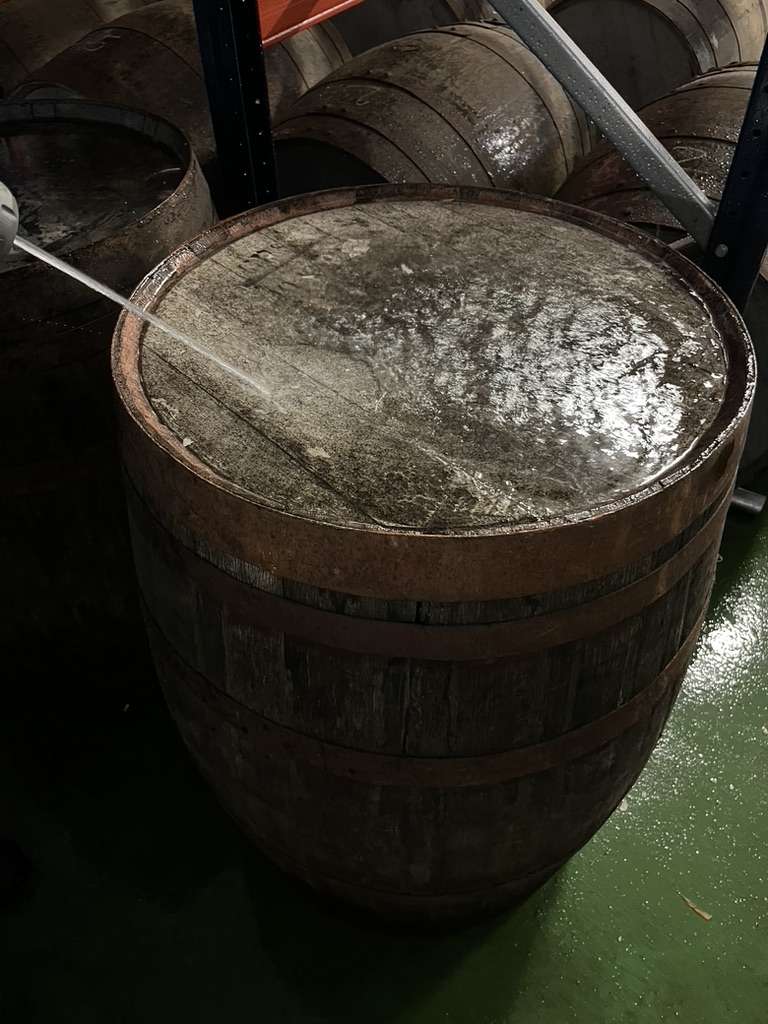
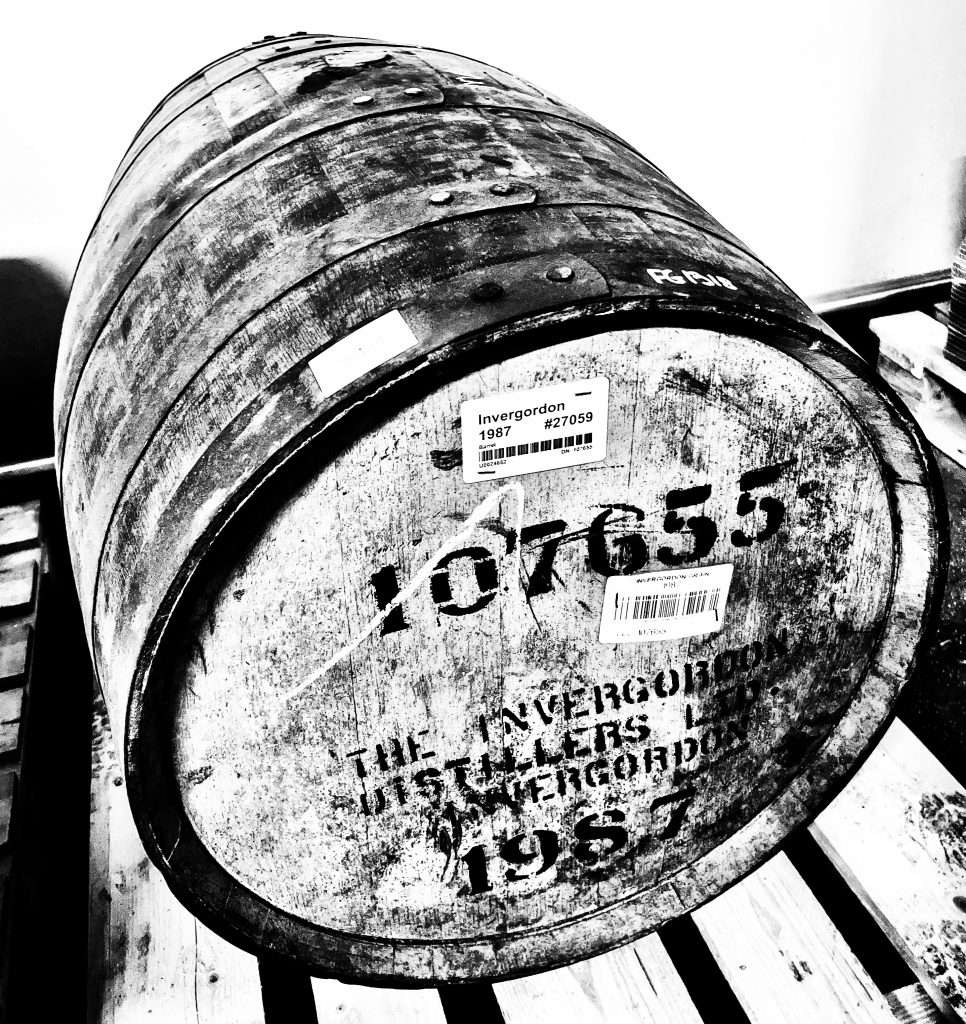
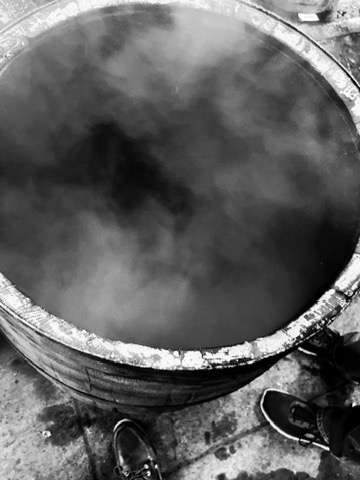
We were fortunate enough to spend an afternoon in an actual cooperage. A dozen guys with big hammers and heavy-duty equipment fixed old barrels, took them apart, rebuilt them, sanded them on the inside down to the original oak, and recharred them.
A barrel can live almost forever. Some of the stays are cracked? Take the whole thing apart, fit in some newer stays, refit the iron hoops, pound them down with infinite force and test it for leaks and fill it back up with whisky again.
They’re made for each other, that whisky and oak.
I’m seeing a Paul McCartney song…
“Oak and whisky
Whisky and oak
Octopus gardens with fresh artichoke.”
It woulda been a hit.
Would you like your cask charred or toasted?
Peter: “Toasting is a light application fire where the wood discolors, but the surface doesn’t turn to charcoal.
Charring is much more severe, where the inside of the barrel is set on fire to char the wood to a depth of about a quarter inch or more.
Charring for a quick process of obtaining the maximum flavor in the shortest time, while toasting will be used for a much longer aging process.”
And the aging process is pretty interesting.
From Matt Bowyer: “There are basically four parts to aging whisky.
1. The interaction with the wood, which is the primary way by which flavors are added to the whisky post-distillation, including the interactions that take place with casks used to age other beverages such as Sherry or Port.
Comparison tests have been done between whisky aged in a barrel and then blended with sherry (for science only; it would no longer legally be Scotch whisky) and whisky aged in the same sort of cask having aged Sherry; the two don’t give the same result so clearly something more complicated is going on there besides mere mixing with left-behind fortified wine.
2. Oxygenation – contact with the air seems to change the nature of the whisky, and in particular, can work a little in casks filled to around 70-80% full gain more flavor from previous wine fills than those which are filled completely with no ullage (the technical term for the air space at the top of a container)
3. Evaporation – as the whisky ages, some of it is lost to the atmosphere. The more volatile fractions of the whisky are most easily lost, and it tends to be those volatile components that create the harshness or “fire” of younger spirits. That’s why well-aged whisky tastes much better than yesterday’s whisky!
4. Chemical decomposition – not to be confused with microbial decomposition, which makes food go bad- is the tendency of complex molecules to break down over time. These molecules can be in both the distilled spirit and the wood of the cask. These changing molecules will also affect the taste of the finished product, and are perhaps the hardest thing to “shortcut” when trying to age a spirit more quickly.
And there are other, unique options for aging whisky.
Put it on a boat.
Peter: “Some have tried ‘ocean’ aging, where the rocking motion of the ship encourages the whisky to have a greater interaction with the wood of the barrel – a bit like stirring a tea bag – however, Scotch whisky rules would make this difficult unless it was all done within Scottish territorial waters…
You could moor a boat in a harbor that had some sea swell, I suppose.”
And what about different oaks?
Peter: “Oak wood is not uniform across the world; it varies substantially from one continent to another as the species has diversified in its evolution. Some are fine-grained, while others are more coarse-grained, softer, or harder, depending on where they grew originally.
French oak is harder than American oak with a tighter grain, so it’s great for very long aging, but won’t impart as much flavor on shorter aging.”
Will there be real changes in whisky maturing in a hundred years? Probably not. Oak barrels are sturdy, long-lasting, and give new life to whisky, and they’ve proven themselves over hundreds of years of refinement.
It truly seems that with every industry dependent on new technology but in the case of great whisky, there is no modern shortcut.
Hand-made oak barrels.
Time.
Weather.
Patience.
Care.
Those things are necessary to make a great spirit and there’s no reason to change.