Kismet seems to have different meanings in different cultures. I grew up with kismet, meaning a happy accident. Say, you run into an old friend you haven’t seen in years who introduces you to a company that offers you a life-changing job.
The literal definition: Kismet: a noun meaning fate, destiny, or fortune, often implying a predetermined, inevitable outcome that is outside human control. It is frequently used to describe fortuitous, “meant-to-be” encounters, such as meeting someone significant by chance.
I love the concept of kismet. The “predetermined” part is a little hard to follow, but saying yes to random encounters is wonderful. Surprises add a layer to life. If a restaurant has a complex menu and it all sounds good, I play Server Roulette (kismet), tell them to surprise me, and I always get a memorable meal.
Peter Bignell at Belgrove Distillery makes room for kismet with every batch of whisky he distills.
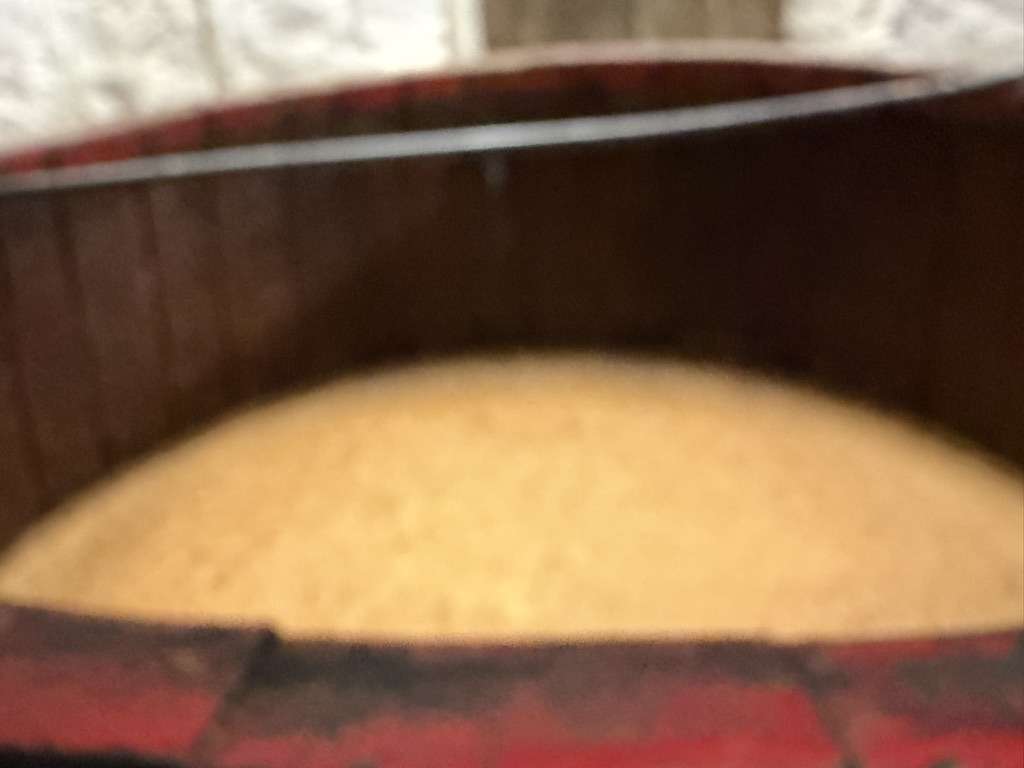
He practices “open vat” fermentation. There is a beer brewing practice in Belgium called Lambic that does a similar thing. When the wort, or the grain and water, is vatted to start fermenting, they roll back the roof at night and let the natural airborne yeasts pepper the mix. Peter does the same thing. He uses huge, 120-year-old oak casks of 2,500 liters, open on top to let the natural airborne yeasts start the fermentation process. He may supplement with commercial yeasts to aid fermentation, which can last from two to four weeks. which is still much longer than most distilleries, but it starts with wild Tasmanian yeasts from his farm in Kempton, Tasmania. The combination of wild yeasts, bacteria, wood, rainwater, and Tasmania’s unique weather works in harmony to produce whiskies unique to Belgrove.
Because he’s an independent distillery, he can do this. If he were a giant brand that sells millions of bottles every year, he couldn’t let kismet intervene. Every bottle must be like every other bottle. Peter does limited releases, and every batch can have its own slight signature.
Which, really, is the heart of a great whisky.
Not sameness, but kismet. Unique little differences that speak of the place, the weather, the grain, the water, and the individual personality of the maker.
That’s where the interest is in whisky.
And Peter Bignell is a master at producing interesting whisky.
The oak casks stand taller than I, and the oak is thick and ancient. They were once wine casks, and he took them apart to ship them and get into the distillery, then put them back together somehow. The oak is as thick as your arm, and the natural, ancient wood brings its own personality to the process. Instead of sealed-off stainless vats, this ancient oak imparts its own flavors and characteristics to the fermentation.
There should always be room for kismet in making whisky.
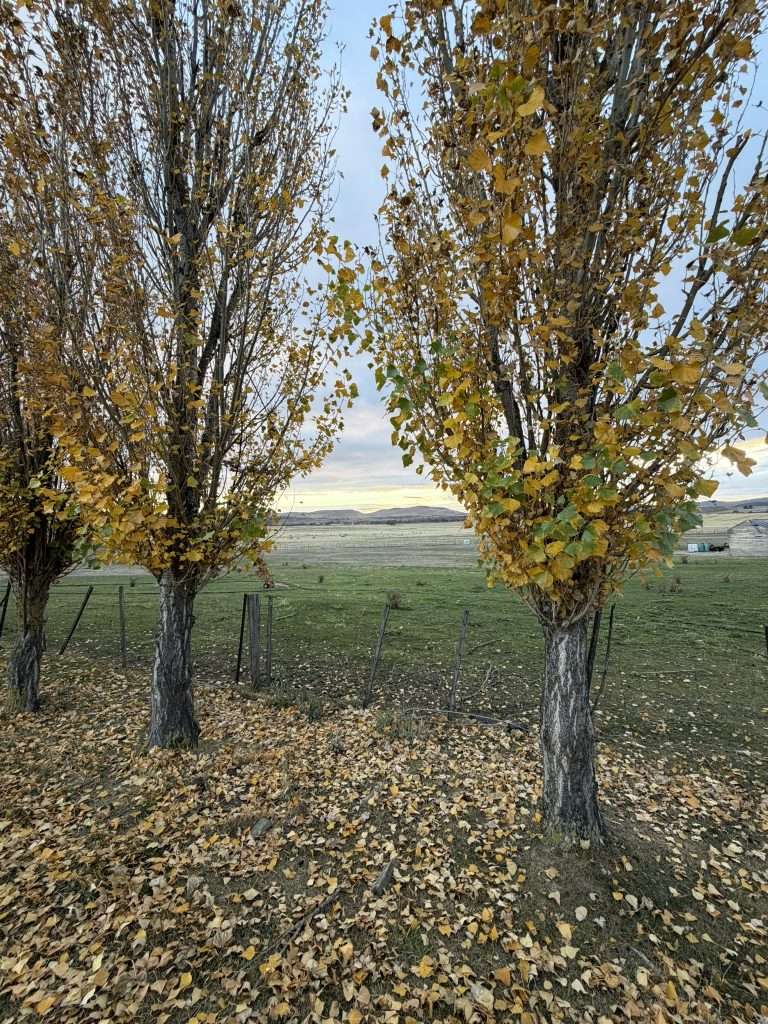
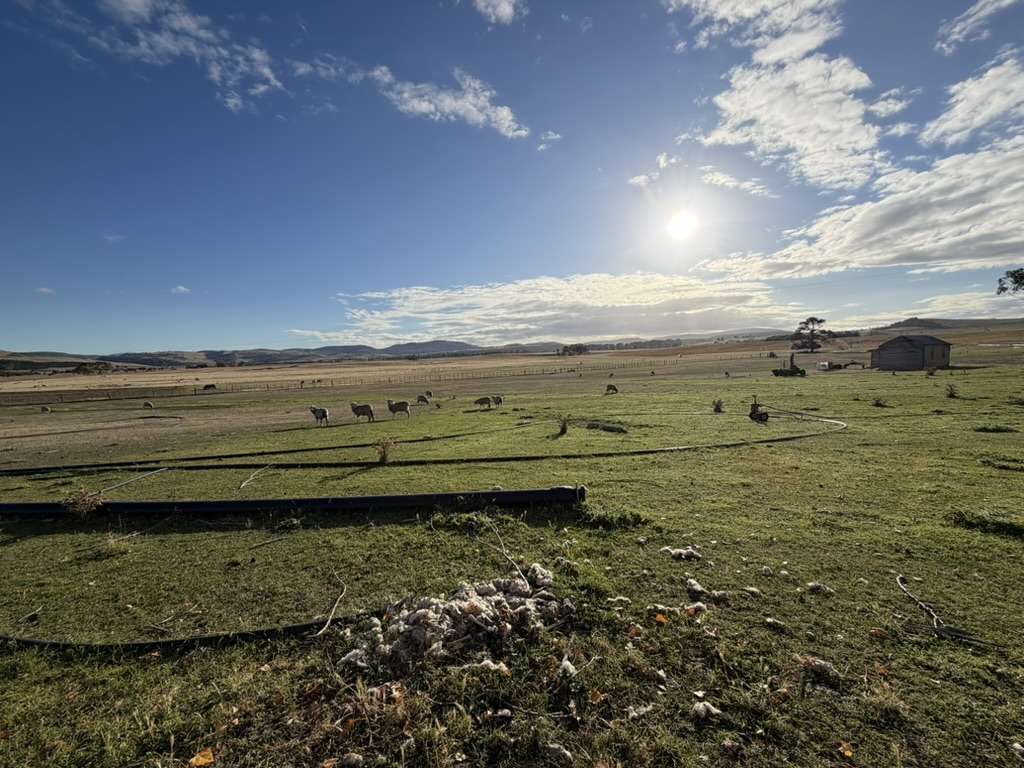
Great whisky is to be savored in sips, and our senses paint a picture of its origin. With Peter’s whiskies, you go to an emerald, green farm between Tasmanian mountains with a bright blue sky, an ever-present wind, and rain lurking over a mountain with sheep grazing in the distance.
Not a soulless, concrete, industrial monolith buzzing and glowing with computers and enforced monotony.
Embrace the flavors of Kismet.
Maybe it was meant to be…