Peter, Matt, my gracious hosts and owners of Fort Glen Whisky took me on a road trip to Loch Lomond, across the verdant-as-hell Scottish landscape. Farms, rolling hills, lucky sheep and cattle, more farms, trees, castles, cottages, little damned villages, more farms, more rolling hills and sheep.
It’s pretty damned stunning.
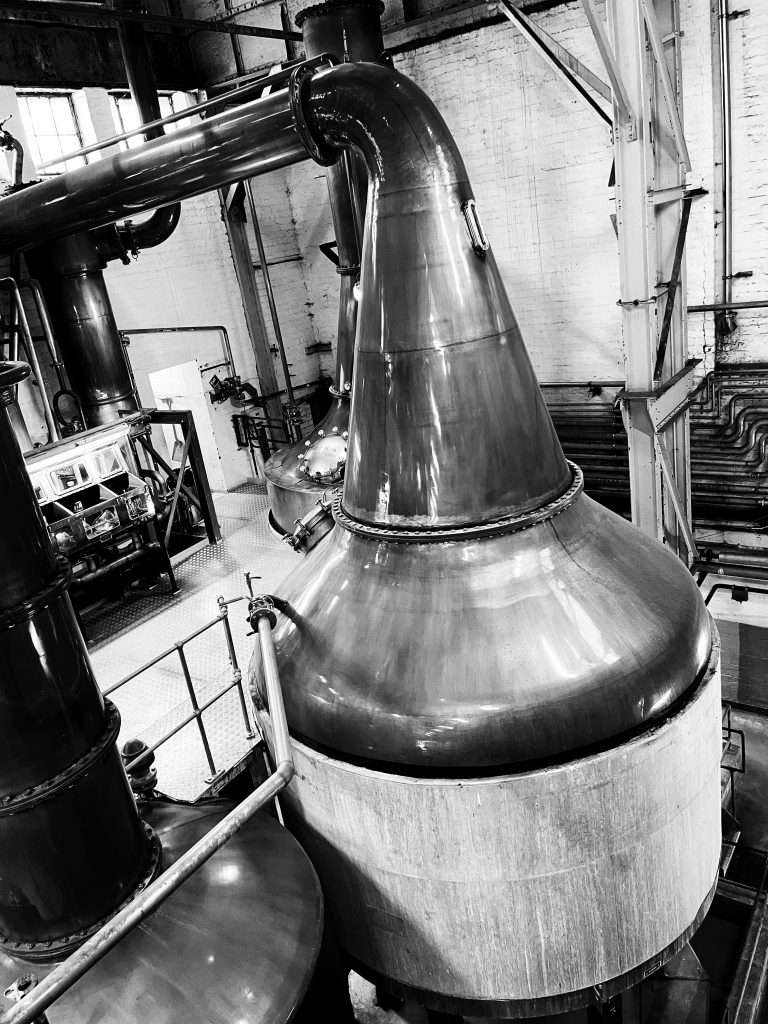
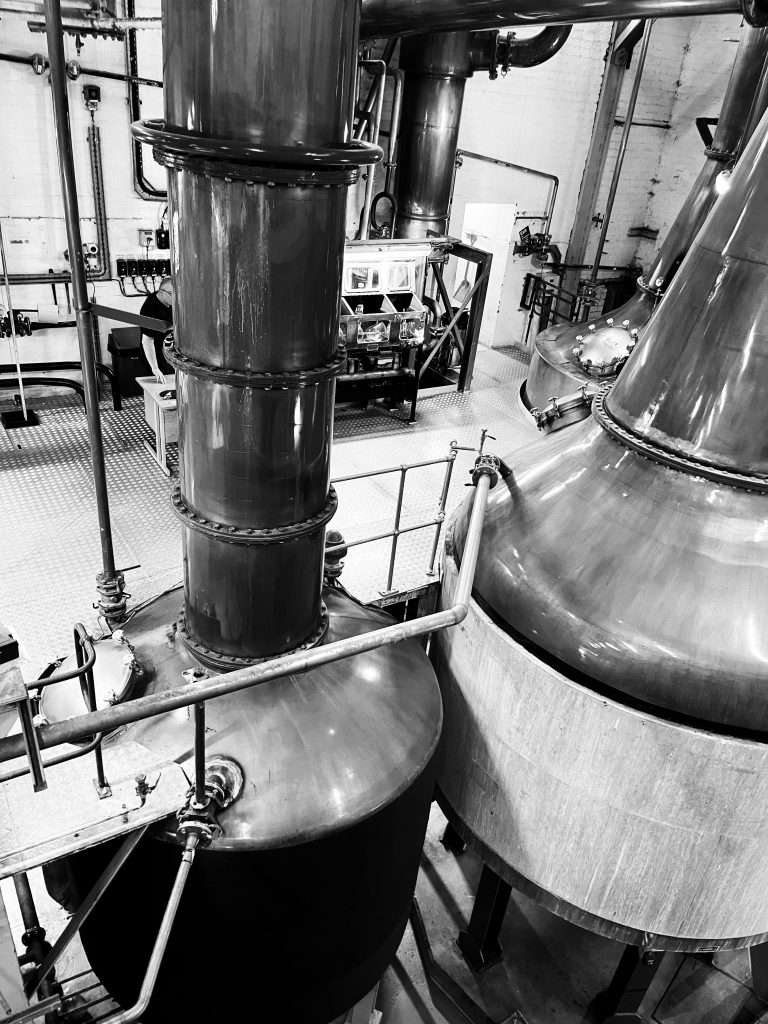
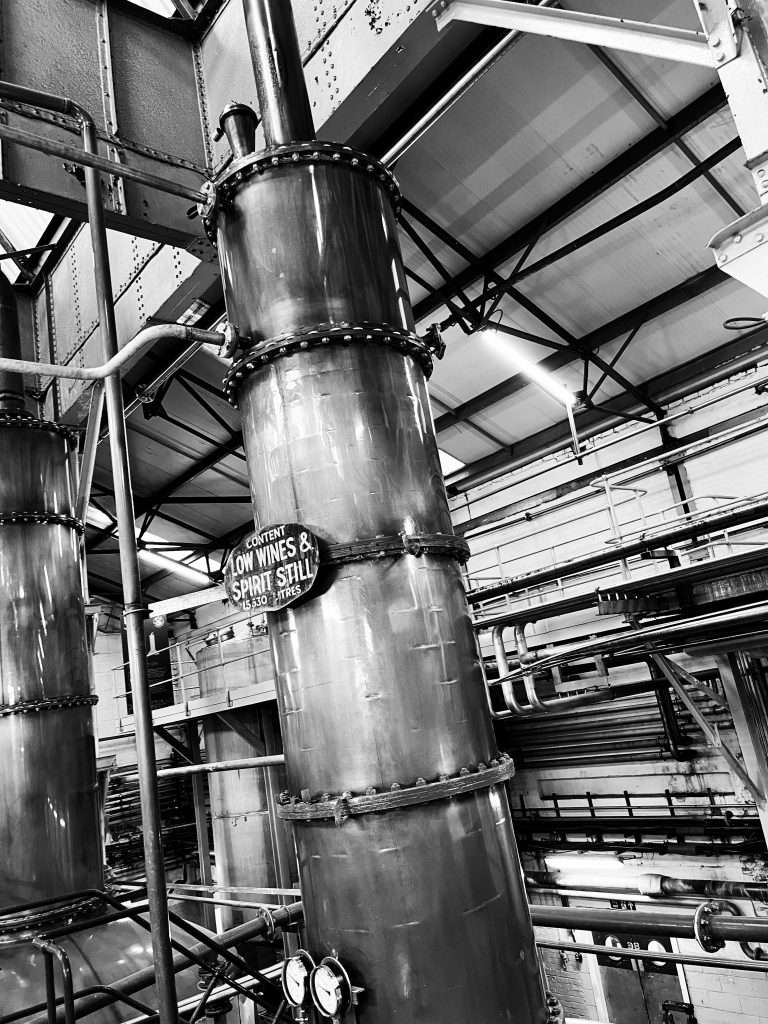
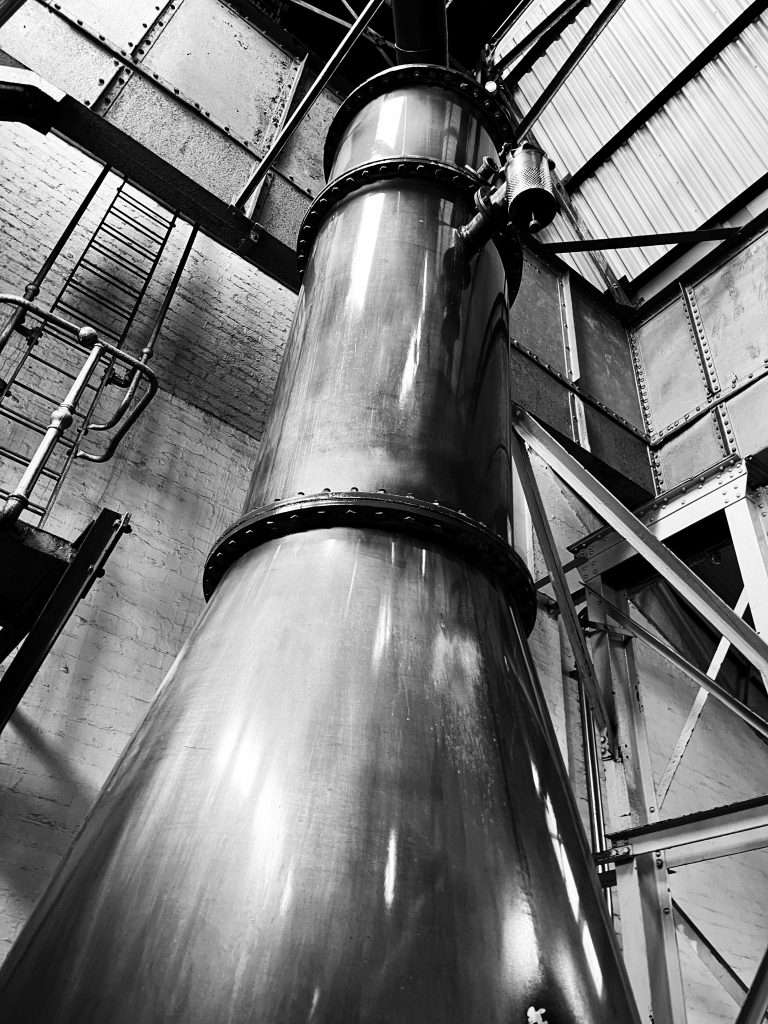
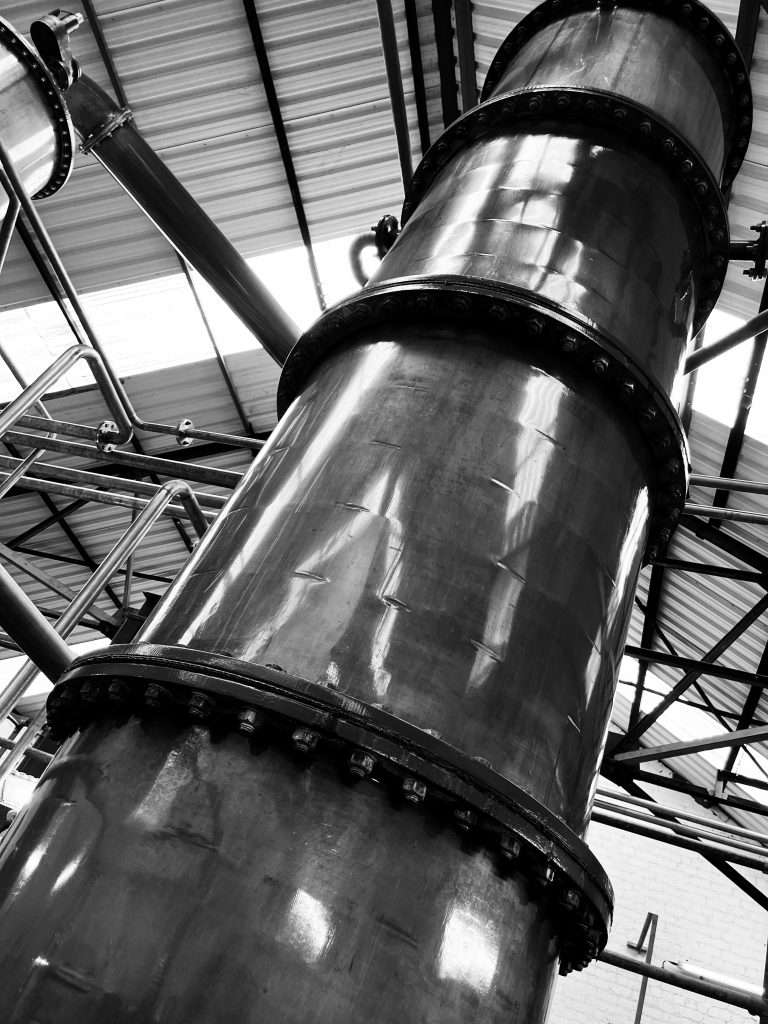
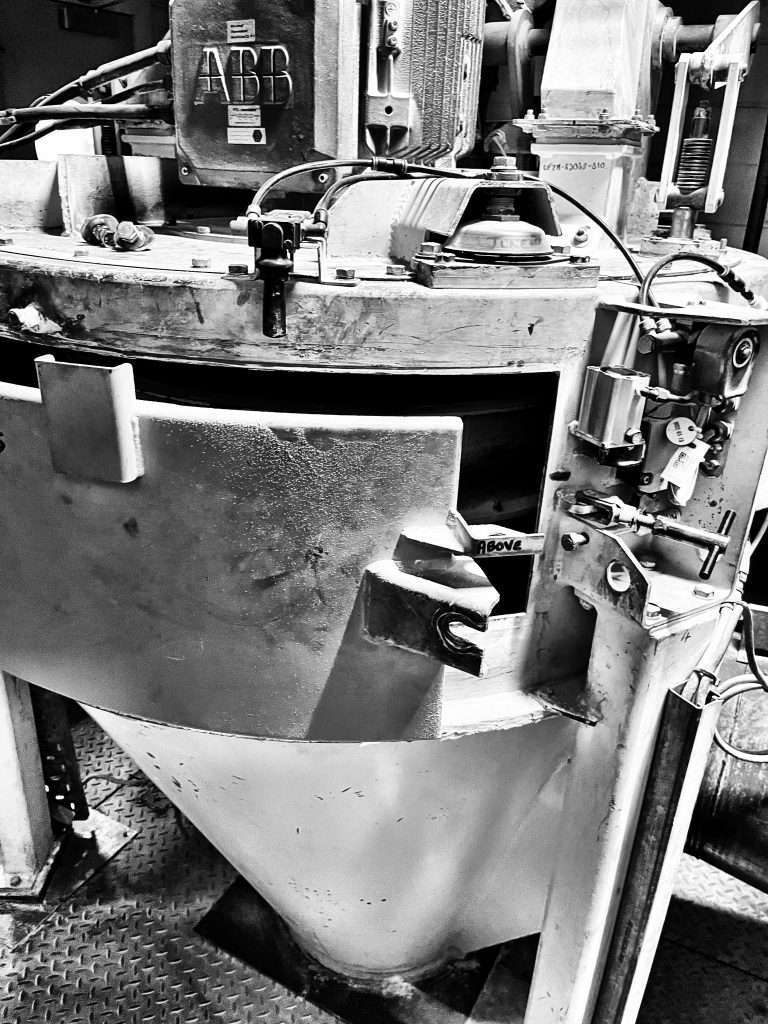
The goal was to take a backroom tour of the Loch Lomond Distillery. They make more whisky than you can imagine. It was huge. Everything about it was huge. Great racks of oak barrels stacked six high. Massive buildings. Massive stills. Miles of walkways going here and there and people everywhere in dayglow yellow vests.
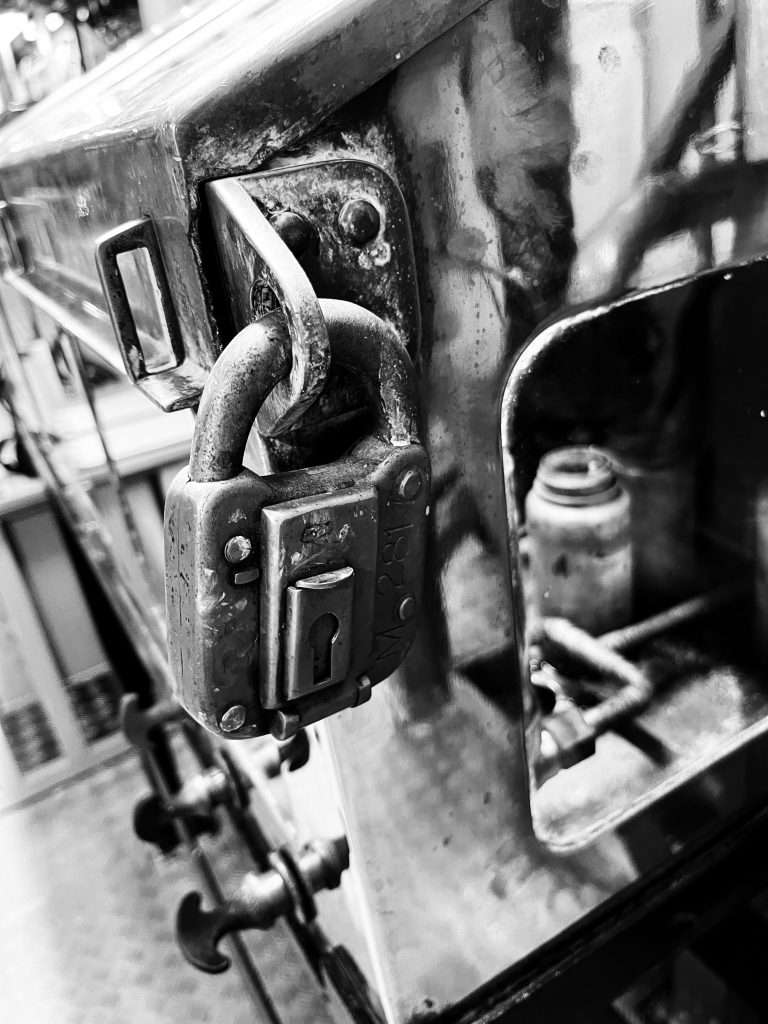
I’ve not spent a lot of time in big industrial facilities where everything can kill you, but I was very impressed with the safety measures to keep one from getting eaten up by a machine or falling half a mile.
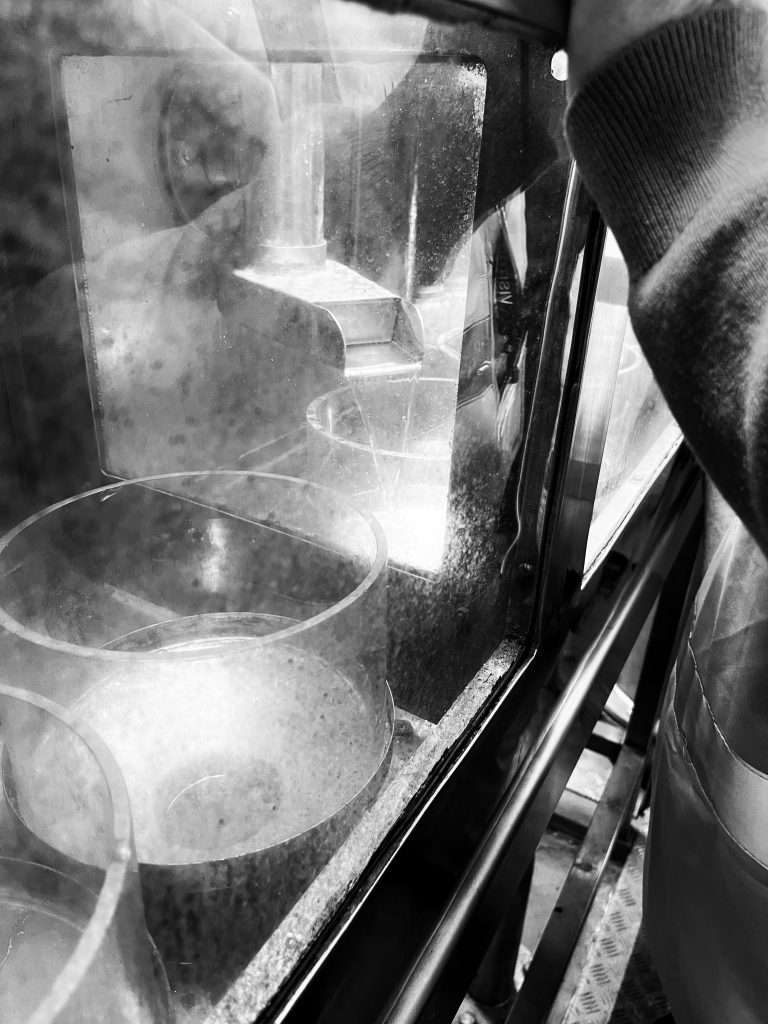
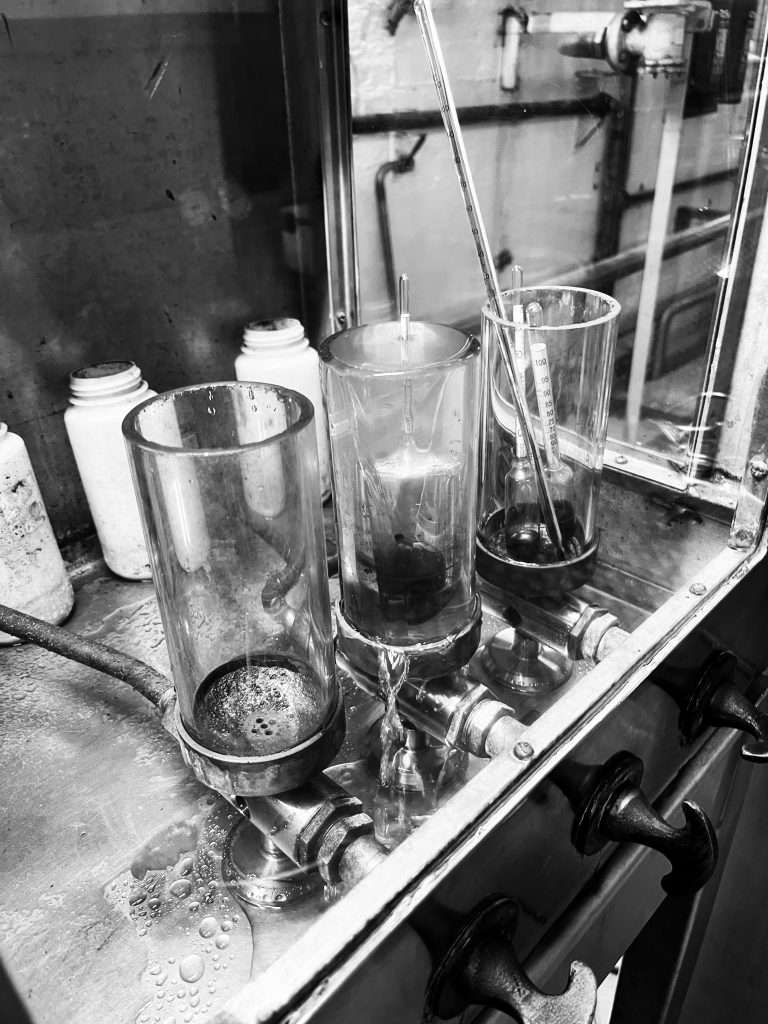
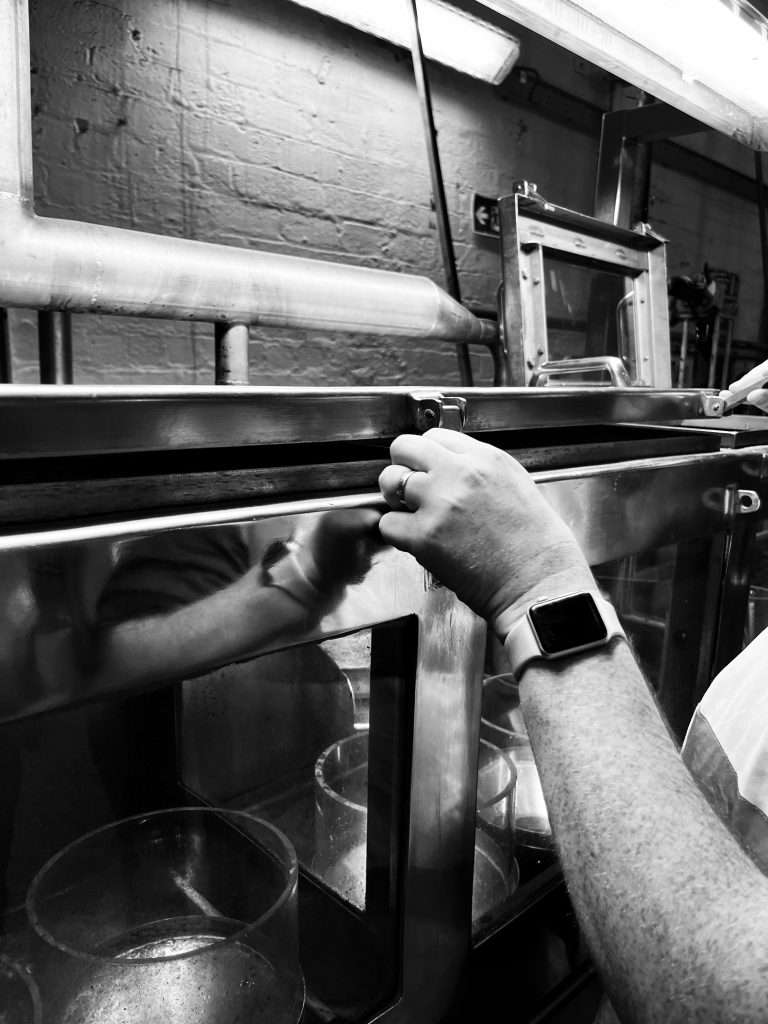
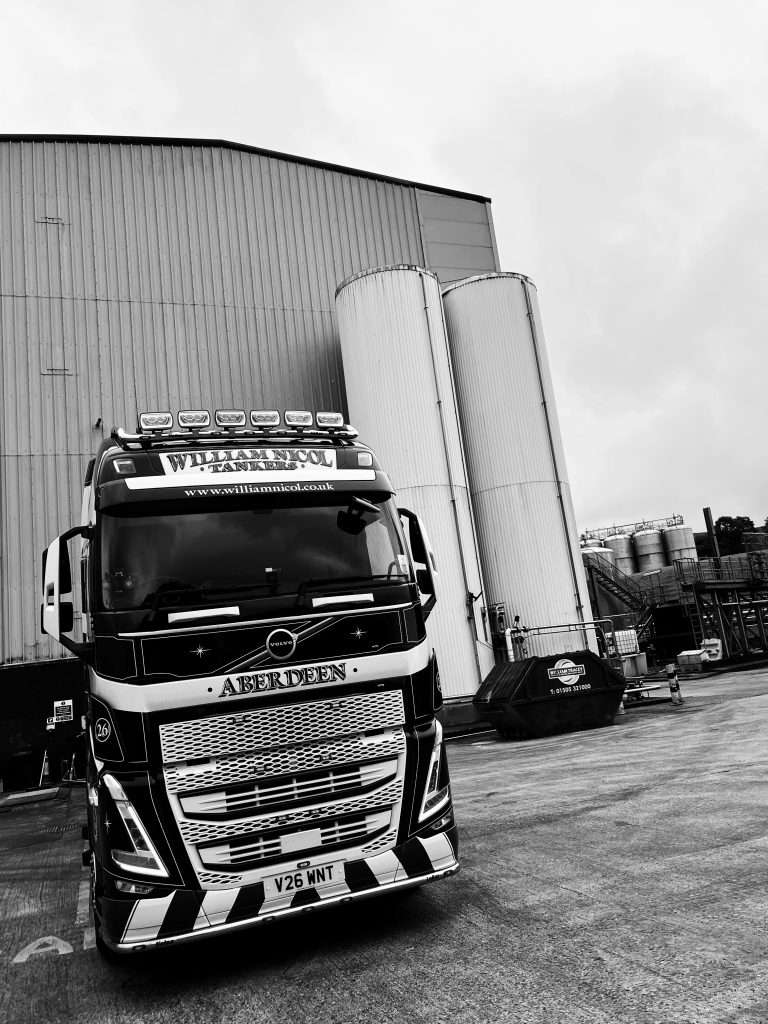
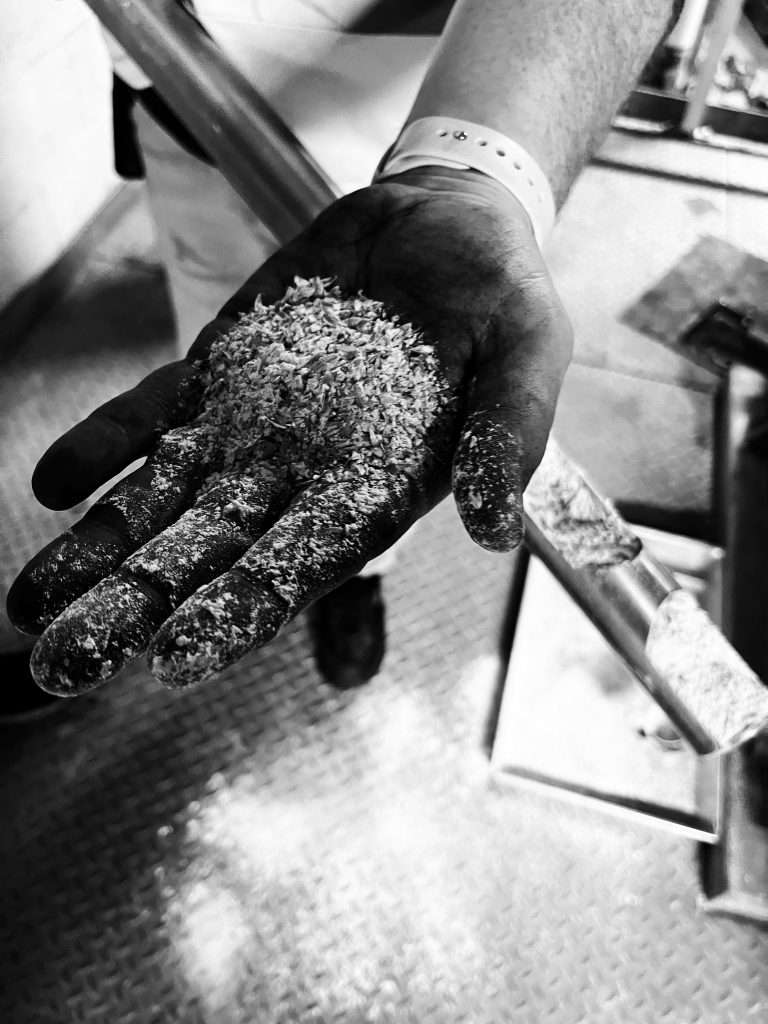
Gary was our guide for just the three of us. We walked through the whole process from the tons of grain and barley being delivered every day, to the grinding, roasting, malting, fermenting and distilling.
It was a wonder. Truly a wonder. If you ever get depressed about the tragic faults in mankind, go to the distillery at Loch Lomond.
It’ll renew your faith in humanity.
To see so much absolute engineering genius, coupled with art and skill and brilliant people who live and breathe their profession.
But let me start with The Cooperage.
Damn, The Cooperage.
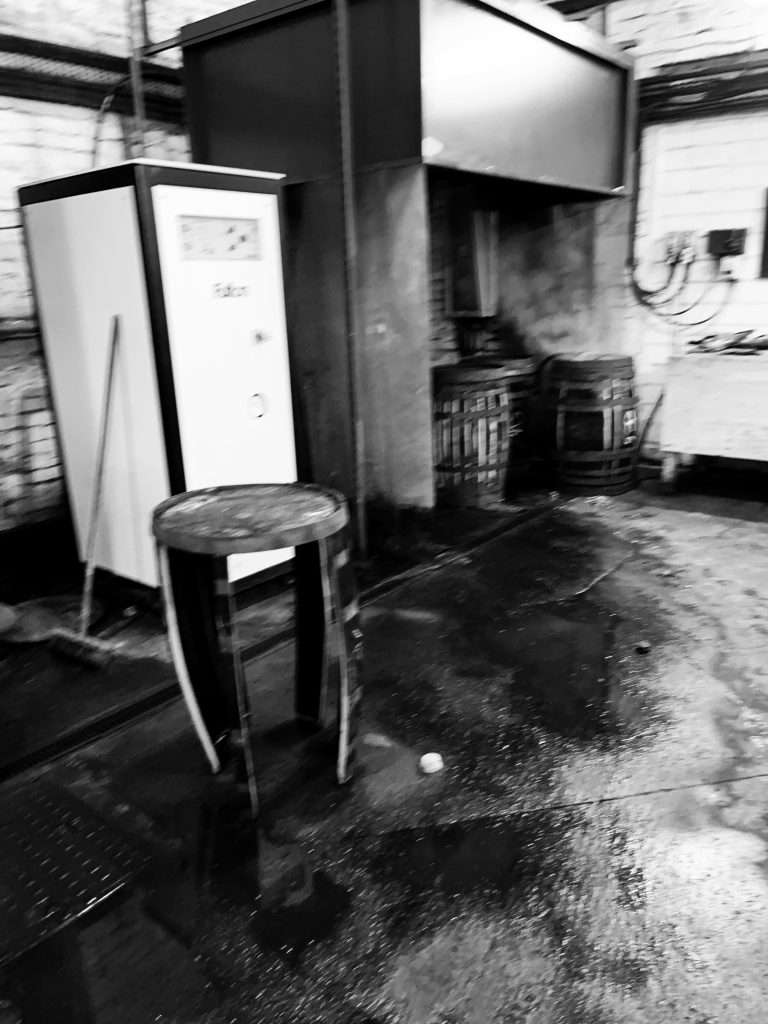
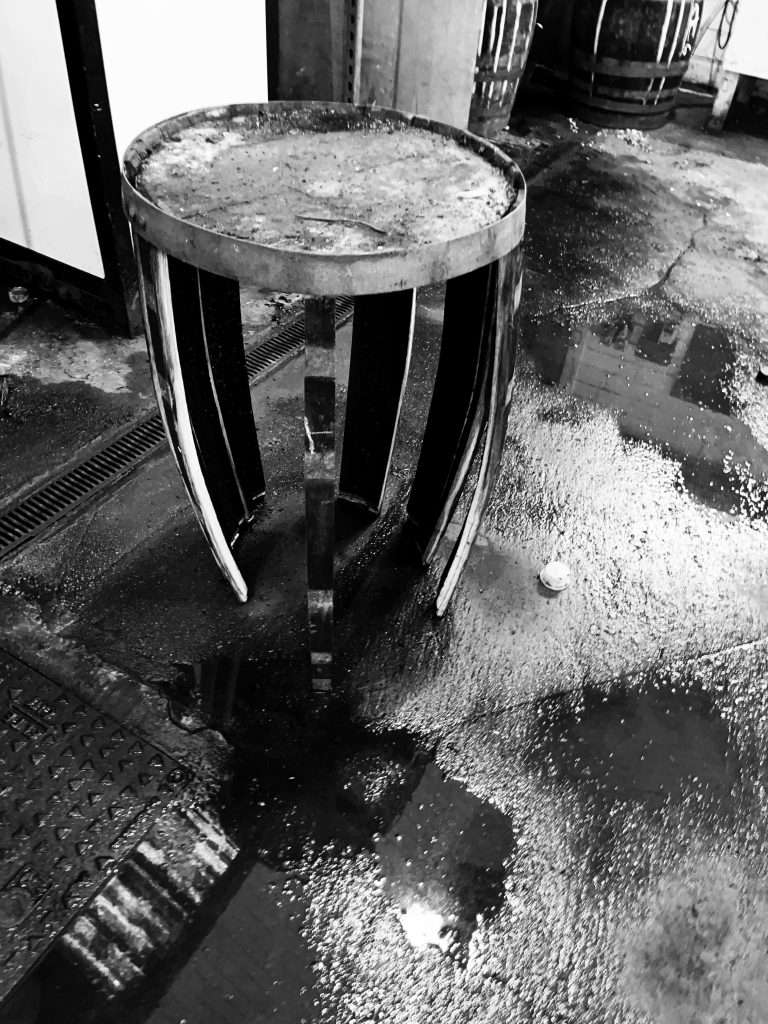
Loch Lomond is so huge, they have their own cooperage to recondition the oak casks for aging their whiskies.
As you probably already know, Scotch Whisky is all made in American bourbon oak casks. And American bourbon has to be made in new American charred oak casks.
It kinda makes you wonder if this whole scheme was put in place by the American oak cask makers.
I did a tour of the canals in Amsterdam and kept hearing about how the merchants got rich by bringing in luxury goods. But the guy who got richer was the guy who made all the damned bricks because every house is made of bricks.
But back to oak barrels. Or casks.
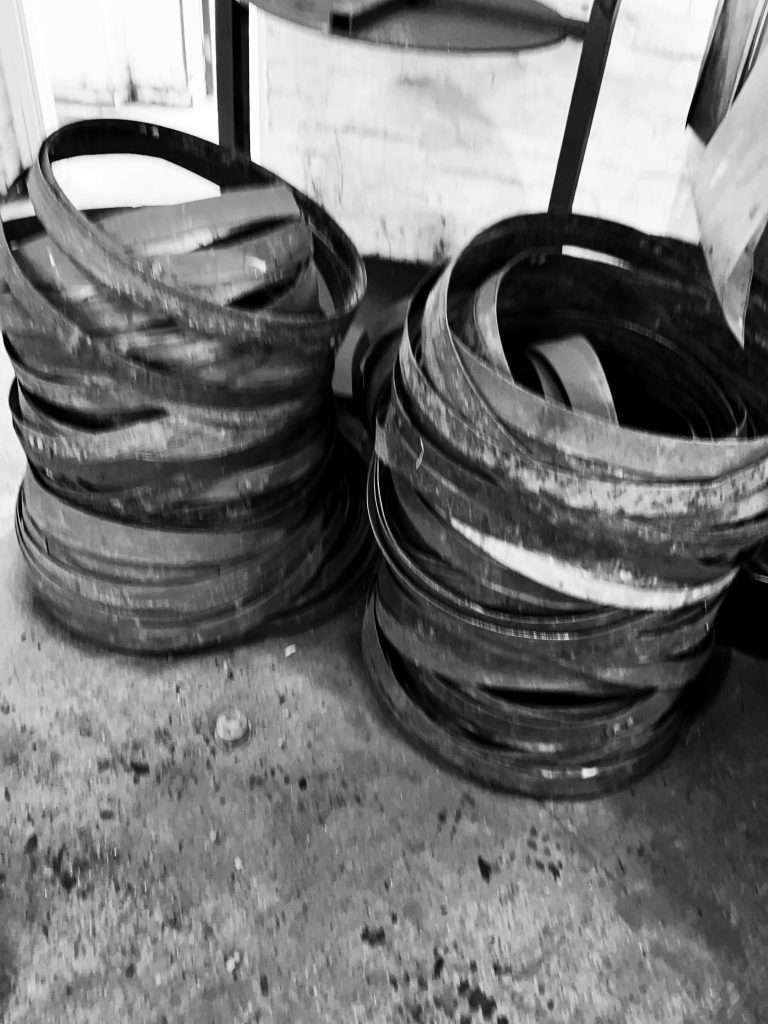
First off, whoever figured out how to cut planks of oak, curve them, cut them so well they can form a waterproof seal, then wrap iron bands around them that they can last for ages and not leak, well, those guys were bloody brilliant.
I spent a day rolling around 53-gallon oak casks full of happily sleeping whisky earlier this week. Each cask weighs around 500 lbs., and one guy can move them around. It’s pretty brilliant. You can lay it on its side and roll it easily, turn it, then flip it back up. It’s some pretty astounding engineering. Yeah, I was sore as hell the next day but I’m old.
I imagine the dockworkers a hundred years ago rolling whisky barrels onto ships—five hundred pounds at a time without forklifts or fancy-ass electronics.
So, because the engineering on whisky casks is hundreds of years old, the methods for making them and fixing them haven’t changed much.
Loch Lomond’s cooperage showed me this ancient skill in spades.
Sure, it was loud and dangerous looking to a dork walking around in Top Siders, but they were good about keeping me from falling into a machine or getting killed.
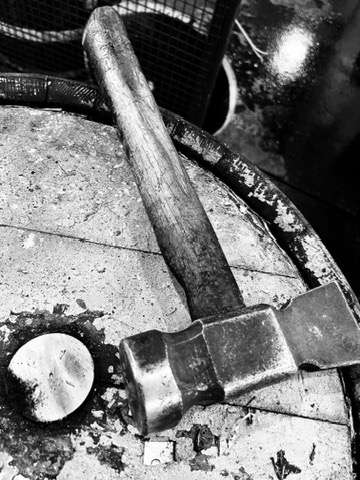
There were maybe a dozen guys in long aprons and big freaking hammers pounding on these things and tearing them apart, fixing them up, and putting them back together.
It was art, science, and ballet, punctuated by ten-pound hammers pounding on oak and steel.
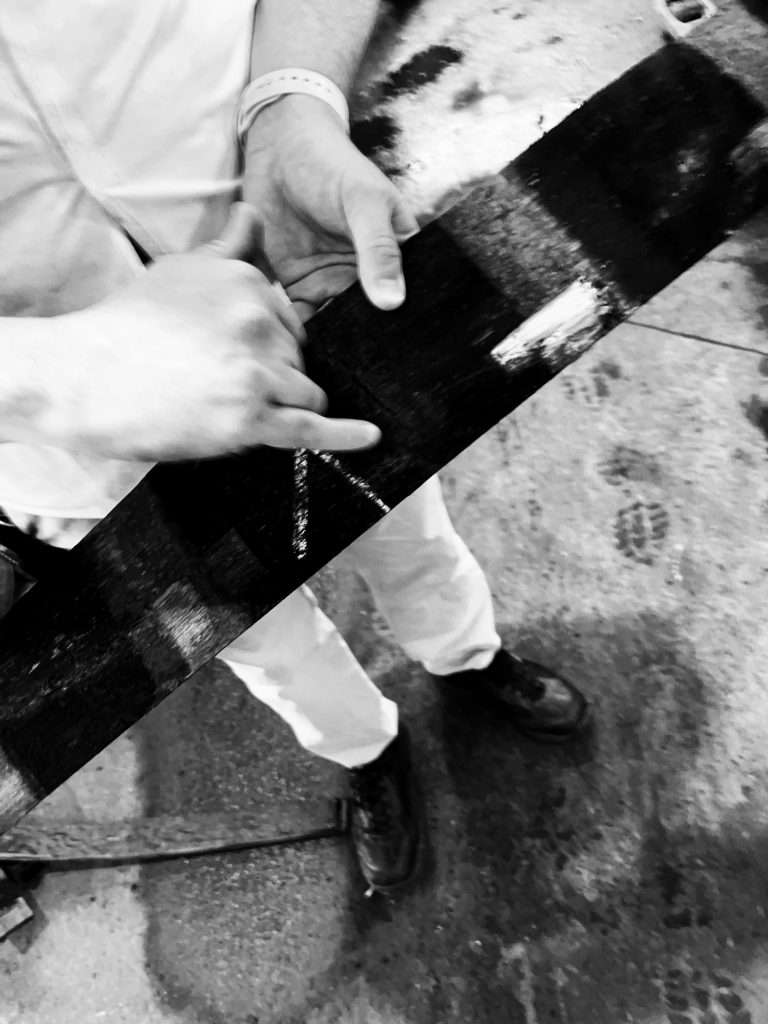
Gary, our guide, brought out a couple of special tools for working the wood and told us about the cooper who had recently retired after about 54 years in the shop, pounding wood and iron.
One was a newly made tool from a 200-year-old design with a wood handle and a big, curved blade. The other was similar, but it belonged to the guy who had just retired, and he had inherited it from his father, who was a cooper, who had inherited it from his father, who was also a cooper.
That one iron tool has been in daily use for over a hundred years.
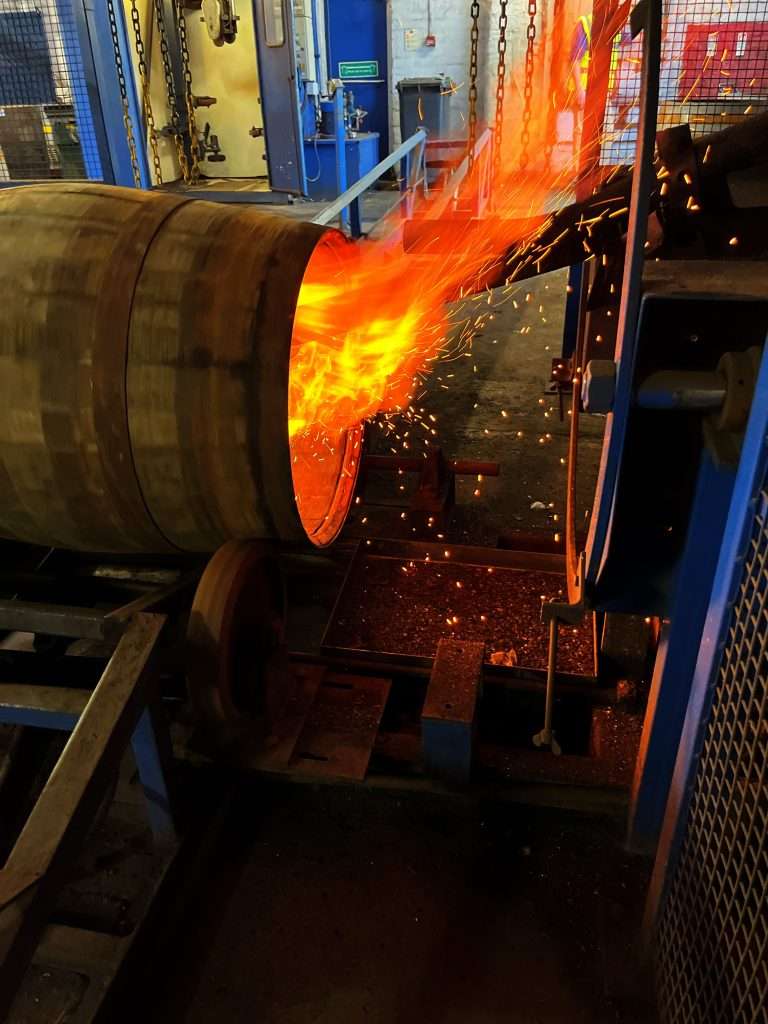
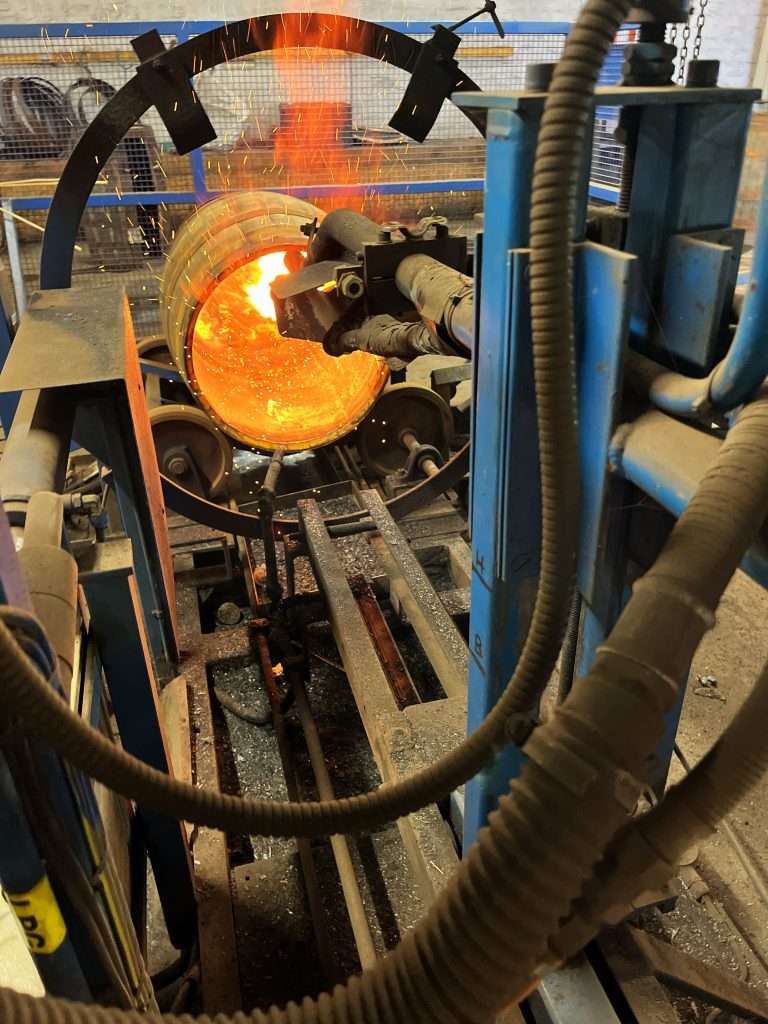
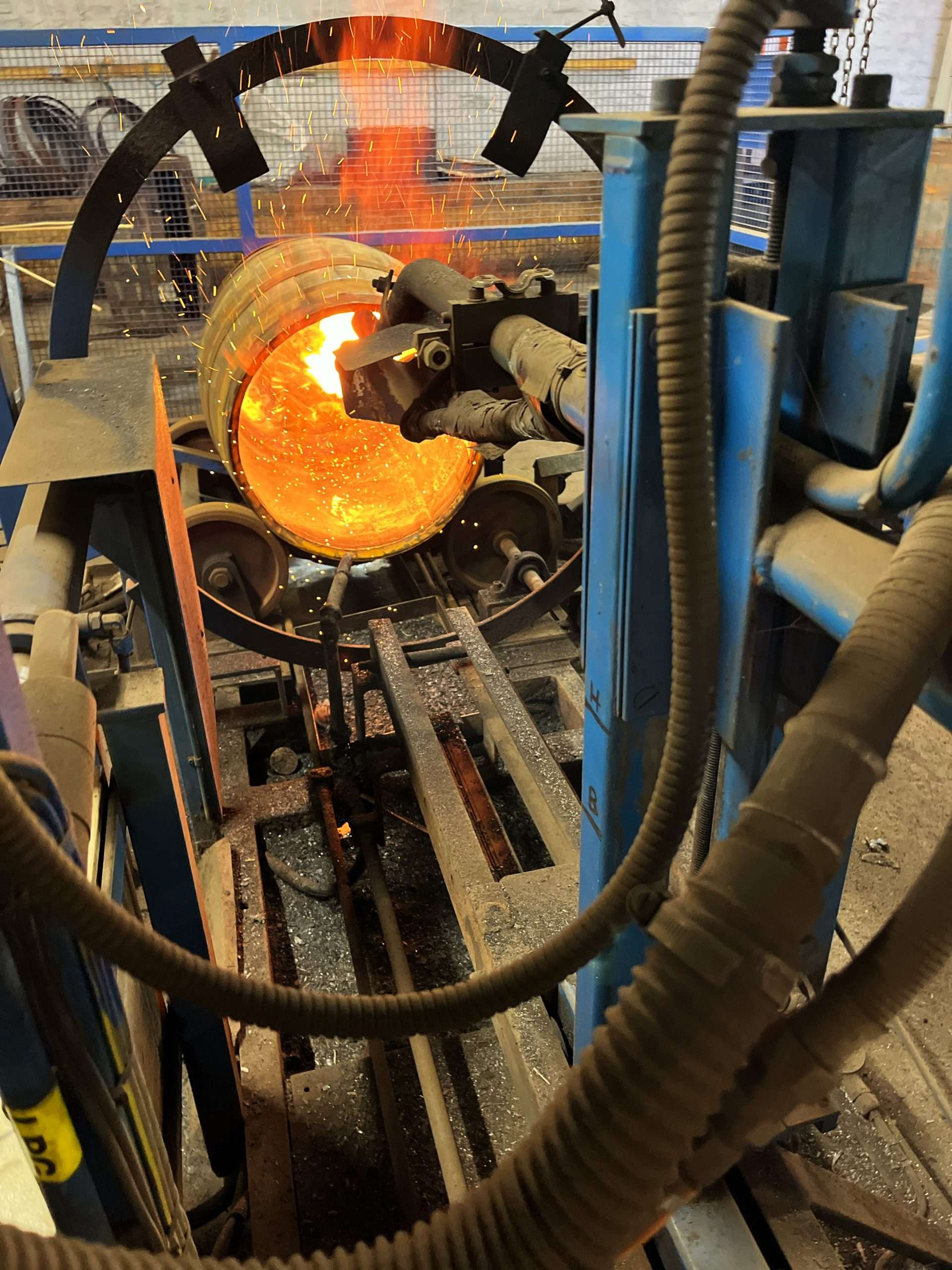
I watched one of the coopers tear a barrel apart, watched another refinish the charred oak on a barrel with an automated wire wheel, strip out a lot of the char and old whisky, then roll it over to a re-charring machine and burn the living daylights out of it again, and it was ready to go again.
Each barrel can be used over and over till it finally gives up the ghost, but the oak stays may become a new barrel.
In a big, high-tech world of silicon and software, it’s wonderful to see an oak barrel have a life of its own that can go on and on and on.
And what an arm wrestling league these guys could start.
Loch Lomond Coopers.
These guys are hefting that ten-pound hammer all day like some would wave around a hankey.
Y’all can take the elevator to the gym but you’ll never have a chance against a Loch Lomond Cooper. These guys do this all day for decades and I would imagine, could tear the door off your car if inspired to do so.
The cooperage was wonderful, but wherever you went in the giant labyrinth that is Loch Lomond, you had different and wonderful smells.
The fresh-from-the-fields scent of the grain as it’s being ground. Even the Stone Shaker, which magically pulled tiny stones out of the grain before it’s ground into flour. Gary, our guide, showed us the little pebbles that got shaken out. He said, in typical Scottish fashion, in the old days, they’d weigh the stones and demand a refund from the weight.
The scent of the grain as it roasts and ferments made me think of breakfast cereal and the smell of sweet whisky was everywhere you go.
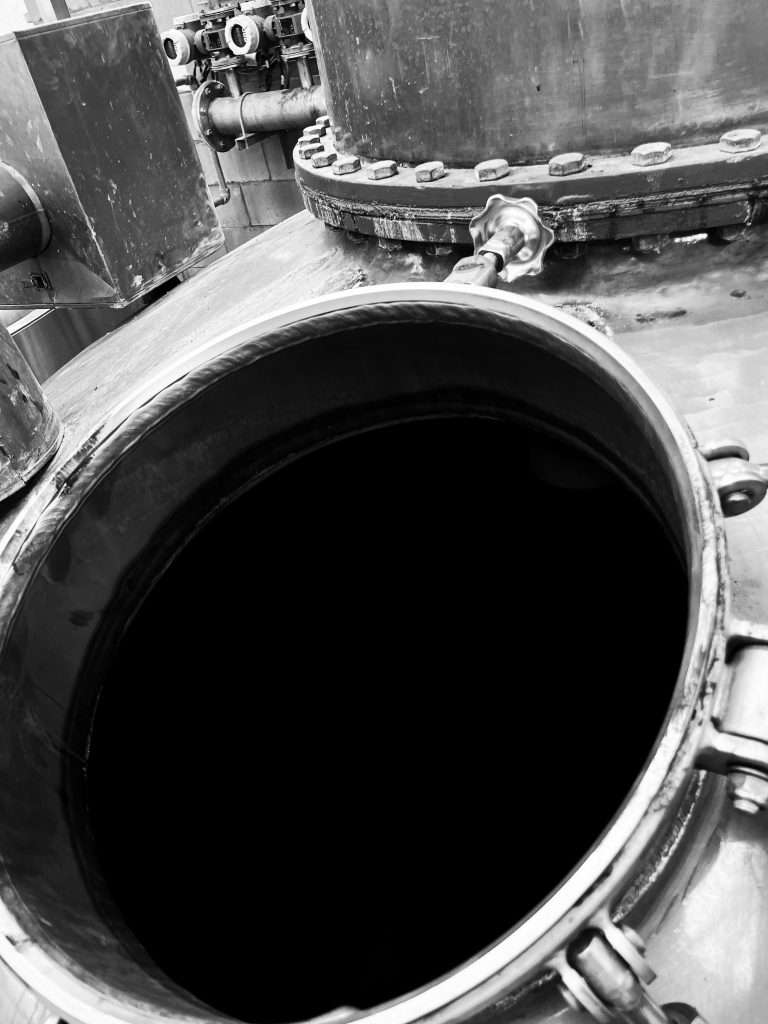
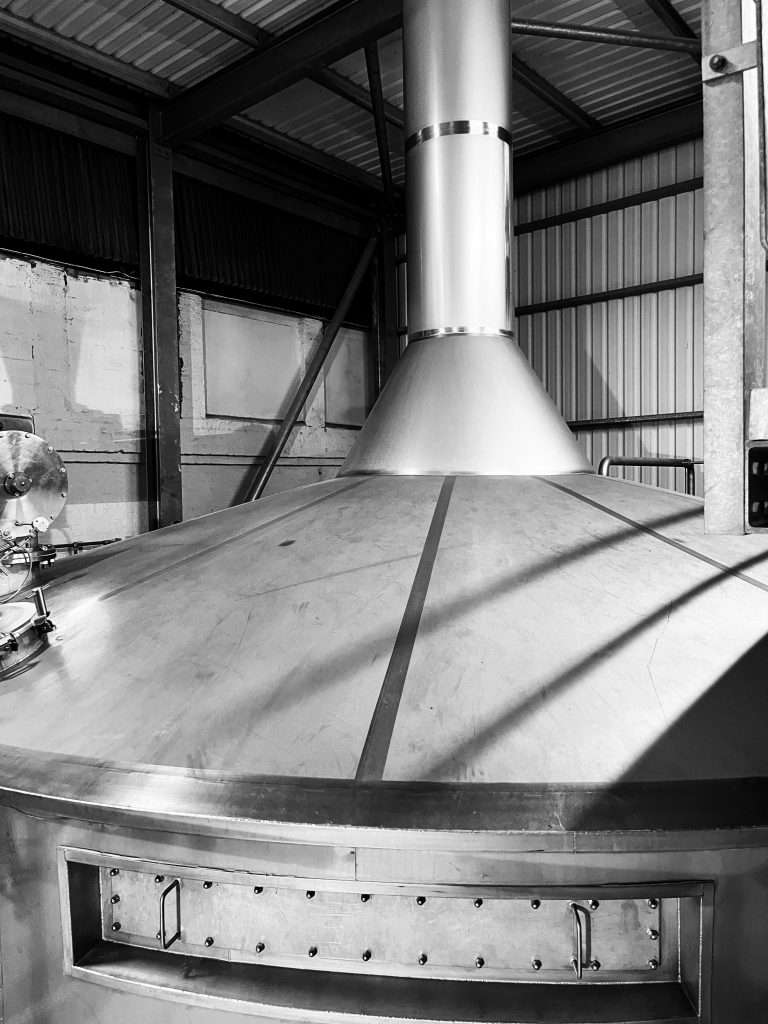
The equipment is on a Queen Mary scale.
Wherever you go, you’re dwarfed by the huge steel and copper vessels, three and four stories high.
And it all ends up in an oak cask to sleep happily for years, then make it into a bottle eventually. Bazillions of gallons of top-notch whisky from a massive facility that’s been engineered to the ninth degree and run by some brilliant people.
But I think the cooperage was my favorite.
So I did the last first. The Wonder was the Loch Lomond distillery, but what about The Loch and The Lunch and The Wheel.
The Loch was, naturally, Loch Lomond. Another freaking bloody damned beautiful Scottish lake. But if you say lake here, they’ll toss you into the deep end of it.
And yes, it was beautiful and I’ll never describe it well enough, so haul your tail to Scotland and see it for yourself. There are a million lochs here, so go see them all. And have fish and chips or salmon or haggis or venison sausage.
And The Lunch, after the distillery, we headed over to Duck Bay, a resort and restaurant on the banks of Loch Lomond.
It felt odd to me. The design of the place was just too San Diego for being on a Scottish loch.
White and baby blue and ocean/dolphin/whale art and flowers and such. It had huge windows and was full of light, but it just didn’t fit.
It’s on a loch.
It should have been giant megalithic timbers and stone and Stonehenge and stuff.
But the salmon was a dream. There were springs of green plants that I’d never seen and savored. We ate lunch in front of the giant windows overlooking the loch and, of course, had a Scottish dessert. What doesn’t kill you makes you stronger.
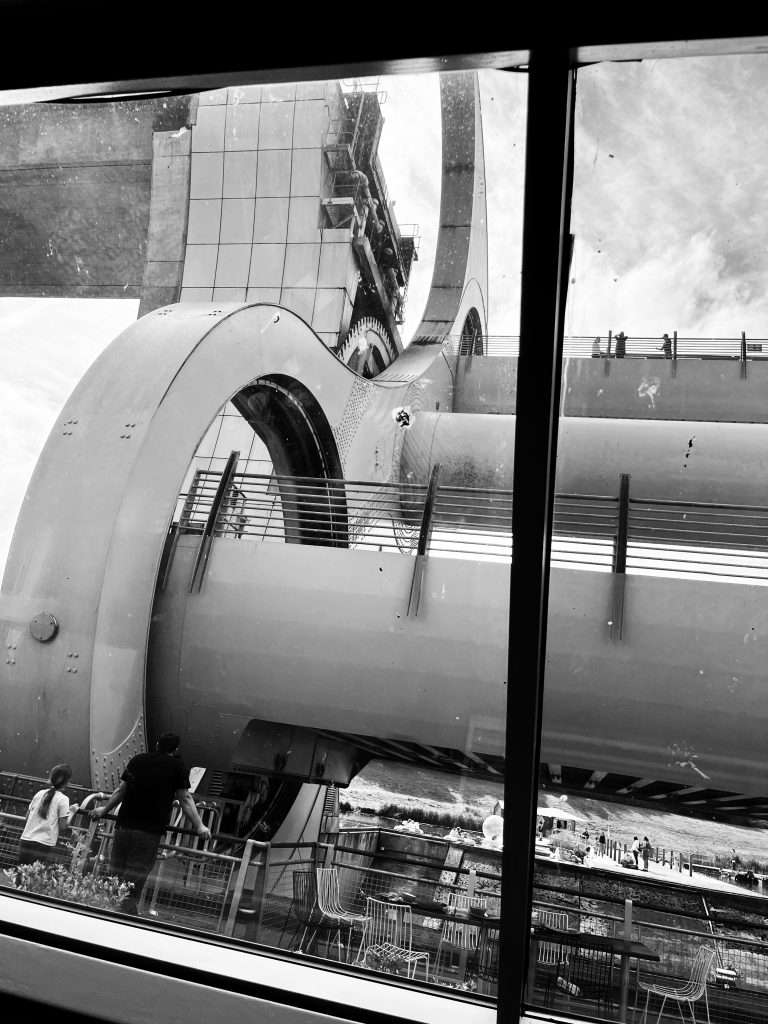
And now… The Wheel.
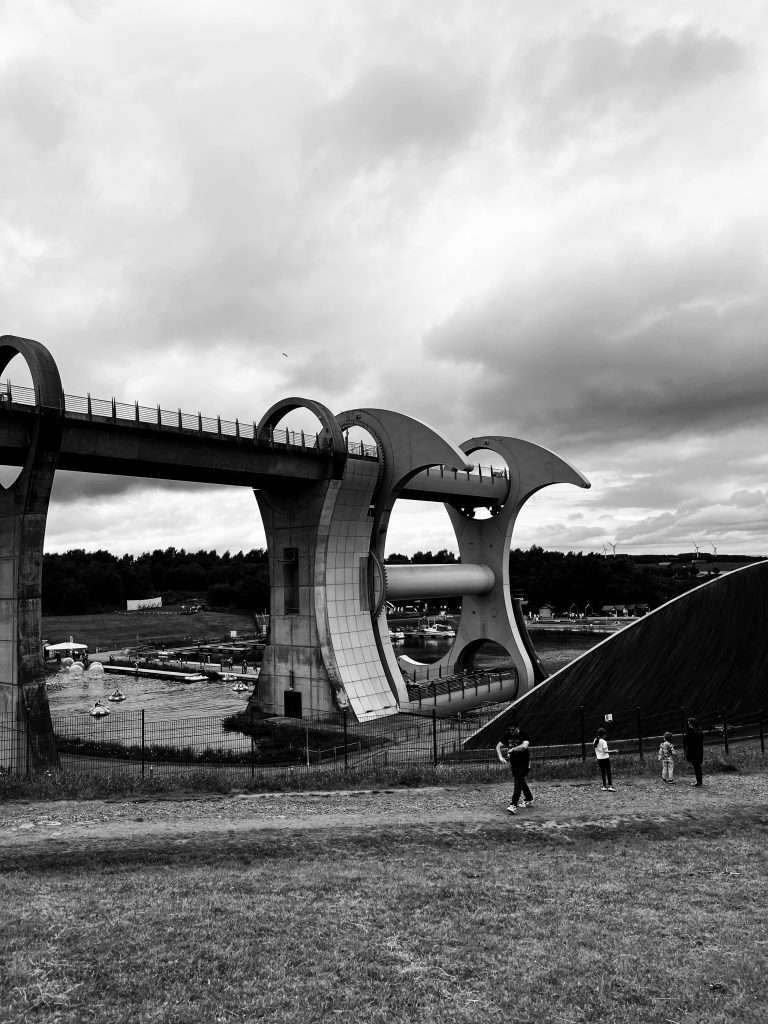
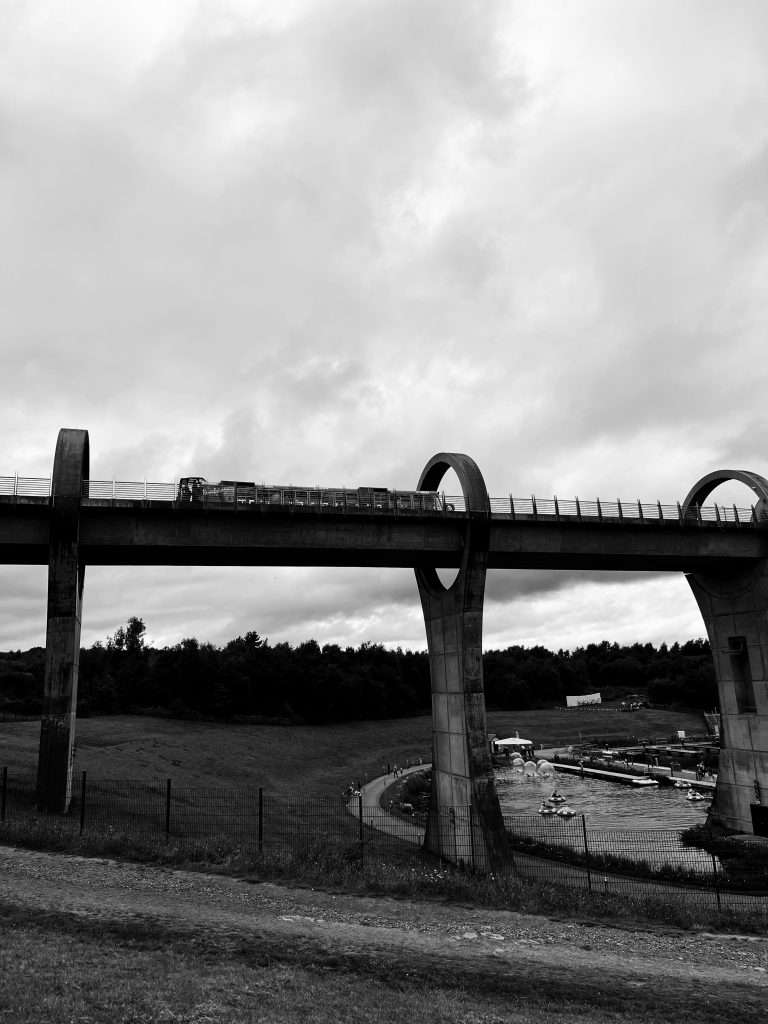
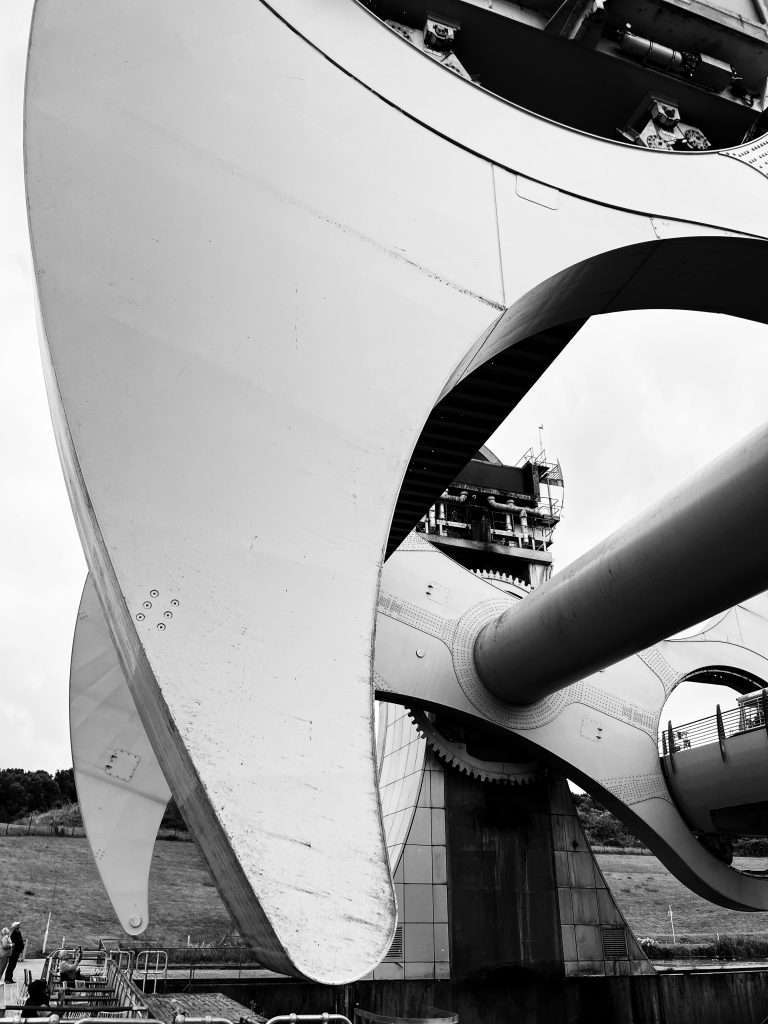
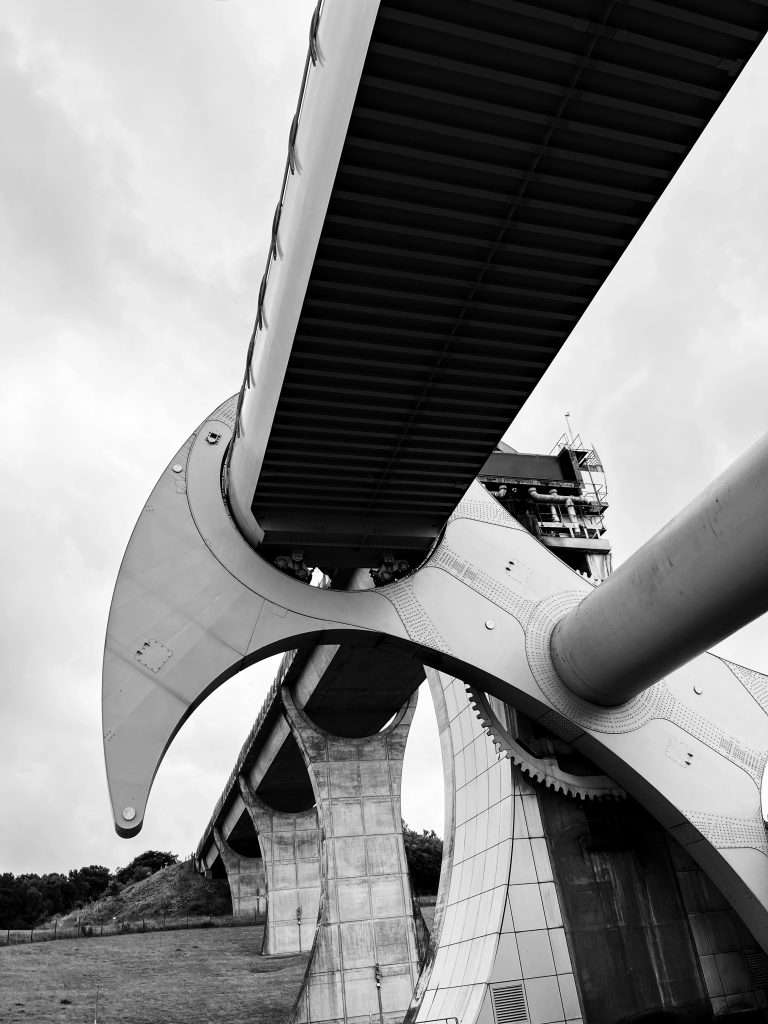
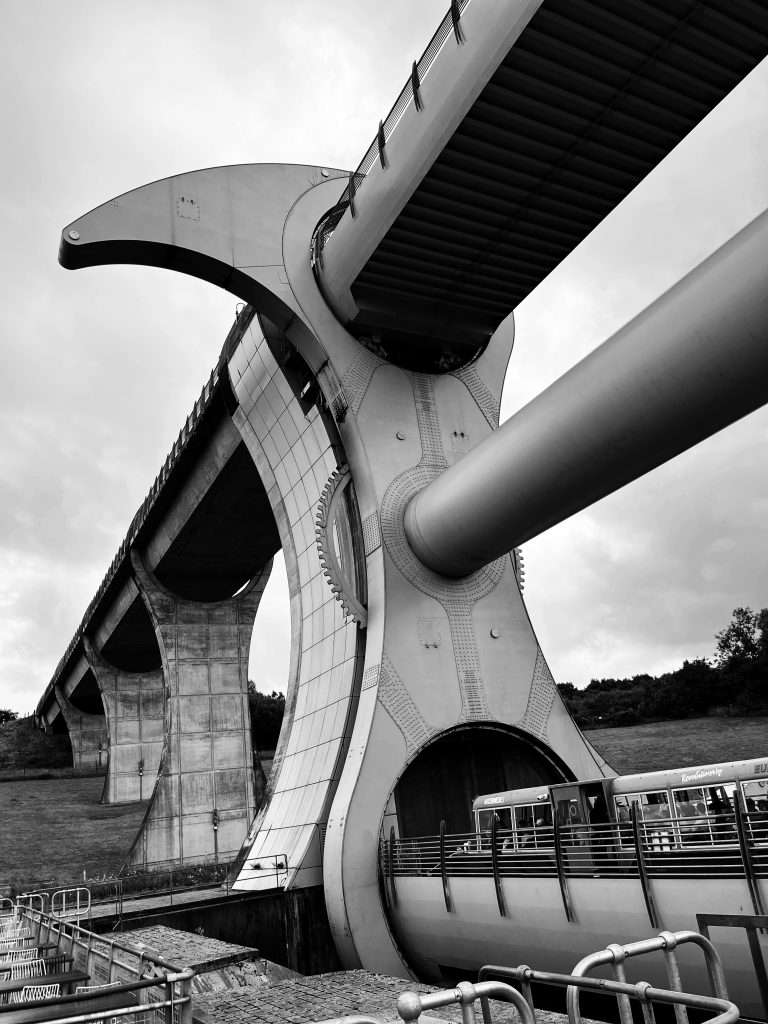
The Falkirk Wheel.
Seriously, why does this exist other than to just be a wonder.
There is a canal that streams into this elevated steel and concrete bridge. Canal boats float out onto the bridge, and at the end, there is this titanic steel thingy that rotates and takes the boats from the top of the canal, and gently deposits them down to the lower canal, a hundred feet below.
Utterly improbable and unbelievable and outrageous, but how wonderful.
We stood on the grassy knoll and watched it rotate around and swap ships, and then we went down to the amusement-parky-kinda-thing and watched, and then we went into the café and had tea and cappuccinos and watched it rotate again.
It was fantastic.
So many wonders in one day, and nary even a taste of whisky.
It was another beautiful day in paradise, and tomorrow I’m going to walk around Duns with a bottle of Fort Glen Whisky and a fancy crystal glass and give out free samples and record interviews. I suspect I’ll be the most popular guy in town.
It won’t be as impressive as the wonders I saw today, but it’s damned good whisky and I’m sure it’ll make people happy.